Uruguay announces visa waiver for Chinese citizens; move reflects steady momentum in China-Uruguay ties, positive prospects for China-LatAm cooperation: experts

Uruguayan Foreign Minister Mario Lubetkin announced Thursday that Uruguay will waive visa requirements for Chinese citizens holding ordinary passports, the Xinhua News Agency reported on Friday.

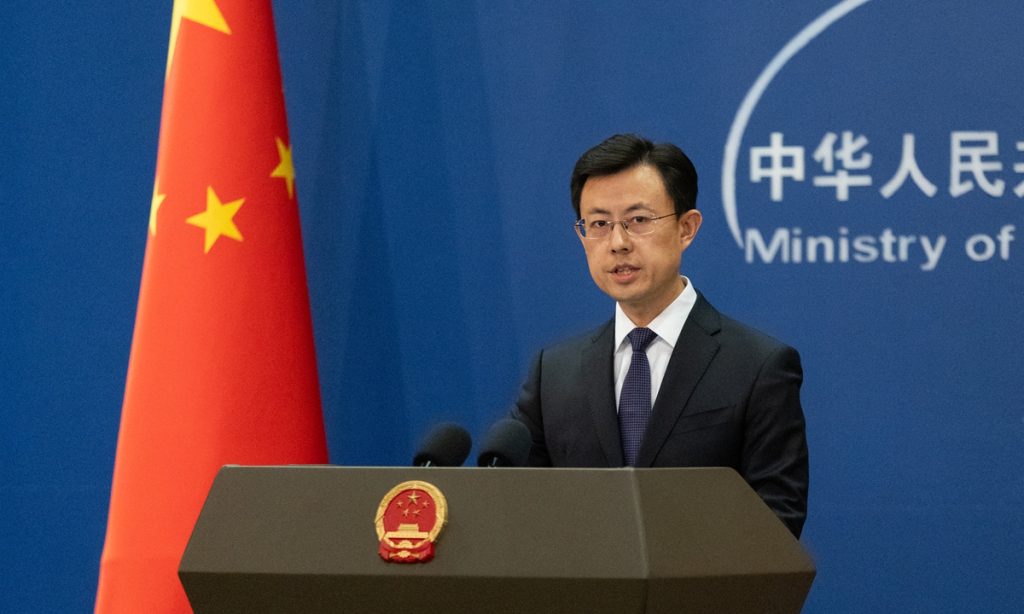
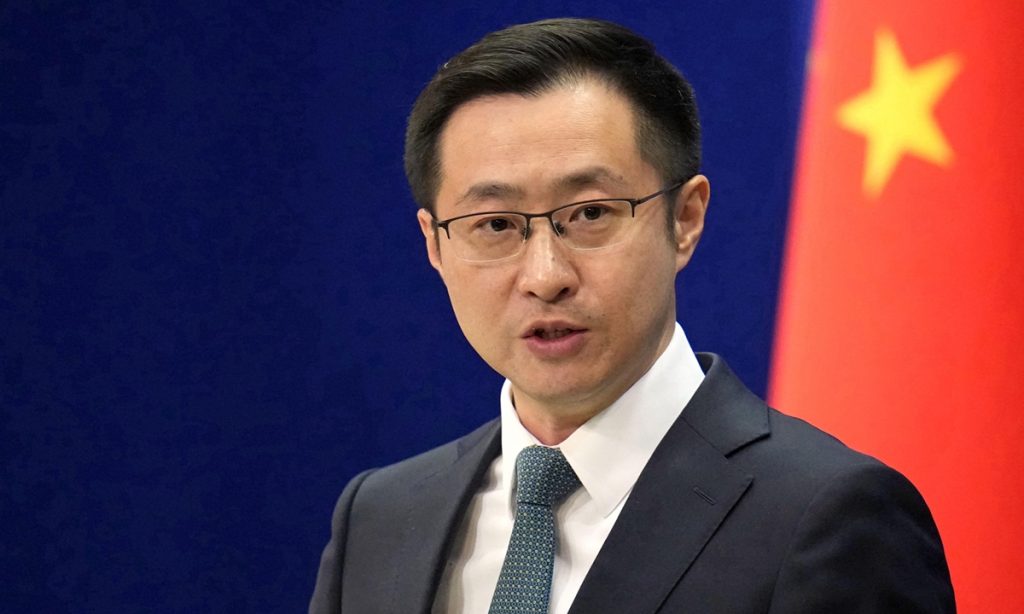
Greater ease of travel between China and Uruguay will contribute to better mutual understanding and more exchanges and cooperation between the two peoples, Chinese Foreign Ministry spokesperson Mao Ning said on Friday following the announcement.

Chinese experts said that the move reflects continuing steady momentum of ties between the two countries, a positive response of China's earlier visa-free policy to the countries in the broader geographical context of the Latin-American region, and a growing recognition of China passport in the region.

Positive response

At the instruction of President Yamandu Orsi, Uruguayan Foreign Minister Mario Lubetkin announced on Thursday during the farewell event for Chinese Ambassador Huang Yazhong the start of a process to allow Chinese citizens to enter Uruguay without a visa, according to a post by Cancillería Uruguay, the country's foreign ministry, on X platform.

The measure will especially benefit growing tourism from that part of the world, and comes in reciprocity to the step taken by Chinese authorities at the beginning of 2025, which will help significantly boost this sector that is highly important to the country's economic development, according to the post.

The move came after Chinese Foreign Ministry announced last year starting June 1, 2025, China's visa-free policy will benefit nationals of Brazil, Argentina, Chile, Peru and Uruguay, with the trial period lasting until May 31, 2026.

The news about Uruguay's visa-free policy for Chinese citizens quickly drew attention from local media, with outlets including Uruguayan television Subrayado, La Diaria and Montevideo Portal reporting on the Uruguayan Foreign Ministry's announcement.

According to Montevideo Portal, the measure aims to especially promote the growth of Chinese tourism and strengthen bilateral ties between the two countries.

At the bilateral level, the reciprocal visa-free arrangements are an important part of the China-Uruguay comprehensive strategic partnership. They reflect the continuing momentum of China-Uruguay ties and will help facilitate investment and trade between the two countries. More broadly, they represent a positive response to China's visa-free policy for five Latin American countries, Wang Youming, Director of the Institute of Developing Countries at the China Institute of International Studies in Beijing, told the Global Times on Friday.

According to Xinhua, the Brazilian government also announced that Brazil will implement a visa-free entry policy for Chinese citizens holding valid ordinary passports, starting May 11, 2026.

Recent high-level interactions have also underscored the steady momentum in China-Uruguay relations. On May 28, Chinese Foreign Minister Wang Yi met with Mario Lubetkin in New York. Earlier this year, in February, President Yamandú Orsi paid a state visit to China. During his visit, China called for strengthening the alignment of development strategies, and deepening cooperation in areas such as economy and trade, finance, agriculture and animal husbandry, infrastructure construction, and information and communications technology, according to an earlier report by Xinhua in February.

According to a release from the Chinese Foreign Ministry, since the establishment of diplomatic relations, the biggest features of China-Uruguay relations have been maturity, stability and predictability.

China is not only Uruguay's largest trading partner, but also a major trading partner of Latin America and the largest trading partner of many South American countries.

Wang Youming said that China's vast consumer market, especially its demand for agricultural and livestock products, matches the export needs of many Latin American countries, including Uruguay, where beef exports play an important role in driving the economy.

The visa-free move is an important step in implementing the consensus and cooperation measures reached by the two sides, especially after the Uruguayan president's visit to China earlier this year. More than boosting tourism, the policy will also benefit business exchanges, trade and investment facilitation between the two countries, Wang said.

Jiang Shixue, a professor at the Center for Latin American Studies at Shanghai University, told the Global Times on Friday that China-Uruguay trade shows a complementary pattern, as the two countries' trade structure reflects their respective comparative advantages. Uruguay mainly exports primary products and raw materials while China mainly exports manufactured goods such as mobile phones and air conditioners.

According to statistics from China's General Administration of Customs, bilateral trade between China and Uruguay reached $7.19 billion in 2025, with China's exports standing at $3.68 billion and imports at $3.51 billion.

China passport sees growing recognition

Located in southeastern South America, Uruguay sits on the eastern banks of the Uruguay River and the Río de la Plata, bordering Brazil to the north, Argentina to the west and the Atlantic Ocean to the southeast. Its vast grasslands, long coastline, unhurried pace of life and rich cultural heritage together shape the distinctive charm of this South American country, according to media reports, citing Xinhua.

Data from Chinese online travel platform Qunar showed that as of Friday morning, searches for flights from China to Uruguay had risen significantly, with searches for Montevideo, Uruguay's capital and the most popular local destination for Chinese travelers this year, surging dozens of times compared with the previous week. Qunar's research institute said that as Brazil has already implemented a visa-free policy for Chinese citizens, travelers can now combine Uruguay and Brazil in one trip and visit multiple South American countries with lower costs.

The visa-free move also reflects the growing recognition of Chinese passports among Latin American countries, as well as China's rising international standing and the continued improvement of China-Latin America relations, Jiang said.

Data from another online travel platform Tongcheng Travel also pointed to rising interest in Uruguay after the announcement. The platform said the expansion of visa-free destinations is helping stimulate demand for long-haul outbound travel, while the upcoming 2026 FIFA World Cup in North America could further boost "match-watching plus South America tour" itineraries, making visa-free South American destinations more attractive to Chinese travelers.

Official data from platforms including the China Consular Affairs website show that at present, 62 countries and regions allow visa-free entry for Chinese citizens, 37 offer visas on arrival, and 49 allow entry with e-visas. After removing overlaps, the total reaches 123 countries and regions, accounting for about 64 percent of the 193 UN member states.

As of April 2026, research by Henley & Partners showed that China's ordinary passport had a Henley Passport Index score of 82 and ranked 55th among 101 places globally, its highest level in recent years.

The visa-free move can also be viewed in a broader regional context, Wang said, noting that Uruguay is an important member of Mercosur and has long supported closer trade arrangements with China, including efforts to advance China-Uruguay free trade cooperation and broader China-Mercosur economic engagement.

12.9 million Chinese sit 2026 college entrance exam as gaokao shows a social ethos that values knowledge, fairness

It is the time of the year once again when one examination commands the concern of the nation. As China's national college entrance exam, or gaokao, began on Sunday, scenes at test sites captured the moment: parents offering hugs and encouragement as students stepped into exam halls for one of the most pivotal tests of their lives. Some mothers wore qipao, a traditional dress symbolizing qikaidesheng, or success at the outset.

A total of 12.9 million students have registered for this year's gaokao, with 7,981 testing centers and about 348,000 examination rooms set up across the country. Chinese language and mathematics are the subjects tested on the first day of the exam, media reported.

Authorities have mobilized a wide range of resources, from traffic control and noise-reduction measures to AI-powered anti-cheating systems and emergency medical services to ensure a smooth and fair examination process. This year's essay topics, which repeatedly touched on technology and societal change, illustrate how the gaokao reflects China's evolving social values and supports the country's strategic priorities.

Since the gaokao's restoration in 1977, the college entrance examination is not only a selection process, but also an important engine of national development and social mobility. The gaokao has continuously provided China's higher education institutions with high-quality students, cultivated a large number of professionals for national strategy, economic development and technological innovation, and fostered a social ethos that values knowledge and upholds fairness, analysts said. 

Ensuring a convenient and fair environment

At Beijing No. 8 Middle School, students and parents began gathering outside the testing center hours before the first exam. Parents were seen holding signs to encourage their children, one of which read, "May success bear your name, and may our paths cross at the summit."

Police officers and community volunteers offered assistance and distributed messages of encouragement, while a temporary service station helped students resolve last-minute identification issues.

Across China, local governments have mobilized resources to support the students taking this year's gaokao. In Yuncheng, North China's Shanxi Province, testing centers are equipped with cooling facilities, backup audio systems and round-the-clock medical support. Outside exam venues, authorities have stepped up traffic management, noise control and food-safety inspections in an effort to ensure that students can focus on one of the most important exams of their lives.

During the gaokao, market supervision authorities across Guangzhou launched targeted inspections to safeguard students, covering food safety, stationery quality, special equipment and even anti-cheating measures. In several districts, officials checked canteens, nearby restaurants, catering services and student accommodations to ensure safe meals, according to a notice published by the authorities.     

In a notice issued on June 6, the Ministry of Education (MOE) reminded candidates to observe exam discipline and refrain from bringing mobile phones, smartwatches, smart glasses or other wireless communication devices into testing centers, requiring any such items to be stored at designated locations before entering examination rooms.

To curb cheating during the gaokao, testing centers across China have deployed technologies including AI-powered monitoring systems and smart security screening gates. 

In Beijing, candidates are barred from bringing smart glasses into testing venues, while in Guangzhou, Guangdong Province, security gates have been upgraded to better detect concealed wearable devices. AI monitoring systems used in many examination rooms can automatically flag unusual behavior by test takers and generate video clips for further review, according to China Central Television. 

Keeping pace with the times

China's 2026 gaokao essay questions featured five sets of papers, each with its own writing task. Education officials told the Xinhua News Agency that the essay questions were designed to reflect contemporary themes, promote critical thinking and values education, and encourage students to apply what they have learned to real-world issues.

Compared with last year, technology featured more prominently in this year's essay questions. In Beijing, one prompt asked students to draft a promotional message for a volunteer event themed "Artificial Intelligence and a Happy Retirement," to encourage the participation of seniors ahead of the Chongyang Festival.

In Shanghai, the essay topic also focused on technology, asking candidates to reflect on how it reshapes the world and transforms the way we imagine it.

One of the essay prompts in National Paper I asked students to reflect on a word whose meaning had evolved for them as they grew up, and to discuss how that change reflects their personal development and understanding of a rapidly changing world.

The recent changes to gaokao essay topics and university programs reflect broader efforts to align education with evolving social and economic needs, Zhang Yiwu, a professor in the Department of Chinese Language and Literature at Peking University and director of its cultural and arts committee, told the Global Times. 
Zhang said the prominence of argumentative writing underscores a growing focus on critical thinking, analytical skills and clear expression, while universities are increasingly channeling resources toward emerging fields such as artificial intelligence and other strategically important disciplines. The shift, Zhang said, reflects a move beyond merely adjusting existing programs toward cultivating new areas of growth.

In January, the Ministry of Education issued a notice on the gaokao, outlining plans to improve the quality and broaden the reach of higher education, with an emphasis on expanding enrollment in top-tier undergraduate programs. 

Universities are restructuring their academic offerings to prioritize foundational disciplines, emerging fields, interdisciplinary studies, and areas of high demand, in line with national priorities for scientific innovation and industrial development. At the same time, existing programs are being updated and refined, supporting China's pursuit of advanced scientific and technological self-reliance, reads the notice.

Moreover, this year, multiple Chinese universities have rolled out new undergraduate programs such as embodied intelligence, low-altitude economy and management, as well as marine intelligence and unmanned technologies, aiming to meet the country's emerging strategic and industrial needs, according to an updated catalog recently issued by the MOE.

The college entrance examination has long remained a focal point of concern for Chinese society, not only because it shapes the personal development of candidates and their families, but also because it reflects the nation's enduring emphasis on education and knowledge. The exam carries the public's expectations for fairness and social mobility, Zhang noted, adding that trends in the gaokao provide a window for observing broader societal changes and evolving values.

Ministry of State Security article warns researchers about unintentional leaks of sensitive scientific data

As technological competition grows increasingly intense, technological security has become an important area of national security. Once sensitive scientific research data is leaked, it may not only affect the future prospects of researchers themselves, but also potentially endanger national security, read an article by the Chinese Ministry of State Security (MSS) on Wednesday.

A casually disclosed update on research progress, or the upload of unauthorized materials — such "unintentional mistakes" may well lead to the leakage of scientific research information, therefore requiring serious attention and prevention, the article warned.

The article cited one case as an example. In order to increase the chances of acceptance when submitting papers to international journals and academic conferences, a researcher, without undergoing the required confidentiality review by his or her institution, included detailed information in the appendix and supplementary materials, such as the core structure of equipment, key technical parameters, and distinctive experimental sample data. This resulted in the leakage of important technical details, and the individual concerned as well as relevant responsible personnel were held accountable, according to the article.

Another case showed that a staff member from a domestic university, while conducting a visiting study overseas, stored sensitive data including unpublished raw experimental data and interim research parameters, on an overseas cloud drive and in a personal overseas email account for research convenience, without completing the required confidentiality approval procedures for the cross-border transfer of research data. 

A foreign partner institution obtained core scientific research information through backend extraction and published related academic findings ahead of others, resulting in the loss of value of domestic research achievements. The individual concerned and relevant responsible personnel were held accountable, the MSS article wrote.

The MSS article also warned of photo-sharing leaks. In one case it provided, some university students and researchers casually took photos of experimental scenes, instruments and equipment, and new devices while conducting experiments in laboratories, operating precision equipment, or testing experimental platforms, and then post them on online social media platforms. 

These seemingly ordinary daily-life posts may be captured by foreign espionage and intelligence agencies or relevant research institutions, which may analyze them to identify sensitive information such as equipment performance, technical shortcomings, experimental conditions, and research progress, creating risks of leaks and disclosure.

Another case showed that some researchers, when attending overseas academic forums or online seminars, lack sufficient vigilance against targeted technical questions, data inquiries, and probing into research topics raised by foreign participants, and casually disclose key details such as technical principles and process flows. Such remarks, made in passing, may become high-value intelligence for foreign espionage and intelligence agencies or relevant research institutions.

Strictly observing confidentiality requirements in scientific research and building a strong line of defense are essential, the MSS article underscored.

Anyone who crosses the line, violates China's core interests on Taiwan question will inevitably pay the price: FM on latest entry-ban measures on NZ lawmakers involved

A small number of New Zealand lawmakers recently ignored China's serious concerns and firm opposition and insisted on visiting China's Taiwan region. Their actions violated the one-China principle and interfered in China's internal affairs. In accordance with the relevant laws of the People's Republic of China, China has decided to impose entry-ban measures on the individuals concerned, Chinese Foreign Ministry spokesperson Mao Ning said on Thursday in response to a question about China's one-year entry ban on four New Zealand lawmakers who previously visited Taiwan. 

"I would like to emphasize that the one-China principle is a widely recognized norm of the international community and a basic principle governing international relations. It is also the political foundation of China-New Zealand relations," the spokesperson said. "We urge the individuals concerned to genuinely respect China's sovereignty and territorial integrity, and strictly abide by the one-China principle. Anyone who crosses the line and violates China's core interests on the Taiwan question will inevitably pay the price," Mao noted. 

In response to another media inquiry that some German lawmakers visited Taiwan region in May and whether China would ban lawmakers from Germany and other countries who visit Taiwan region from entering China, Chinese Foreign Ministry spokesperson Mao Ning stated that Taiwan is a part of China, and that the one-China principle is a prevailing consensus of the international community, a basic norm governing international relations, and the political foundation of China-Germany relations. 

Mao said it is hoped the German side will abide by the one-China principle and refrain from interfering in China's internal affairs by using the Taiwan question, adding that "anyone who crosses the red line on the Taiwan question will definitely pay a price."

Asked by Global Times when Japan would retract Takaichi’s erroneous remarks on Taiwan island, Japan’s Defense Minister dodges the question with silence

On May 29, following the keynote address and opening dinner of the 23rd Shangri-La Dialogue, Japan’s Defense Minister Shinjiro Koizumi was surrounded by reporters. A Global Times reporter on the scene asked Koizumi when the Japanese government will retract erroneous remarks on Taiwan island made by Sanae Takaichi. Faced with the question, Koizumi maintained a serious expression and dodged the question with silence, leaving the dinner venue surrounded by his entourage.

In November 2025, Takaichi openly declared in a Diet meeting that a potential contingency in Taiwan region could constitute a "survival-threatening situation" for Japan, implying the possibility of armed intervention in the Taiwan Straits. To this day, the Japanese side has not only failed to retract the erroneous remarks but has also taken a series of moves that have further heightened regional tensions. China’s Ministry of Foreign Affairs has issued repeated warnings: Japan’s neo-militarism spreads rapidly and dangerously, which has already posed a real threat to world peace and stability.

At the Chinese Foreign Ministry’s regular press conference on May 29, a reporter raised a question regarding reports that, “according to data recently released by the Japanese government, orders from the Ministry of Defense have tripled over the past five years, making up half of the government’s public procurement orders in fiscal year 2025, as a result of Japan’s policy to bolster defense capabilities.

Chinese Foreign Ministry spokesperson Mao Ning said that the reactivation and rapid rise of Japan’s military industrial complex represents another major development in Japan’s accelerating remilitarization. Does Japan intend to return to the path of militarist expansion? All peace-loving people in the world, including the Japanese people, must stay on high alert, Mao said.

China’s central bank cuts existing mortgage rates amid efforts to support property market

China's central bank on Sunday adjusted the pricing mechanism for mortgage rates, as the country aims to lower the financial burden on property owners. In accordance with the central bank's guidance, China's "big four" commercial banks issued statements confirming that they will adjust the interest rates on existing personal housing loans.

As part of a broader effort to stabilize the real estate sector, the policy adjustment will also help to boost consumption, adding to the optimistic sentiment in the market, analysts said. 

The People’s Bank of China (PBC) announced on Sunday a significant reduction in mortgage rates for existing home loans, with an average estimated reduction of 0.5 percentage points, CCTV reported. 

The adjustment aims to align the rates of existing loans with the national average for newly issued mortgages, thereby easing the interest burden on borrowers, the PBC said.

Commercial banks are required to carry out the adjustments for eligible existing mortgages by October 31, the PBC said.

Following the announcement from the central bank, China's "big four" commercial banks issued statements confirming that they will adjust the interest rates on existing personal housing loans in accordance with the central bank’s guidance.

“The adjustment of the existing mortgage interest rates has a very positive guiding effect. The reduction in monthly payments should have a positive impact in boosting consumer confidence,” Yan Yuejin, research director at Shanghai-based E-house China R&D Institute, told the Global Times on Sunday.

Additionally, commercial personal housing loans will no longer differentiate between first-time and second-time home purchases. The minimum down payment requirement is now set at no less than 15 percent, the PBC said.

First-tier cities including Shanghai, and Guangzhou and Shenzhen in South China’s Guangdong Province all eased their property policies on Sunday. 

Shenzhen announced that the minimum down payment ratio for commercial personal housing loans for first-time homebuyers will be adjusted to 15 percent.

Shanghai introduced seven new policies aimed at stabilizing the real estate market, effective from October 1, 2024.

Highlights among the measures include easing purchasing restrictions for non-resident families and individuals. Specifically, the requirement for continuous payment of social insurance or personal income tax has been adjusted to a minimum of one year prior to the purchase date for those buying homes outside the city’s outer ring.

Furthermore, the minimum down payment ratio for commercial personal housing loans for purchasing first homes in Shanghai has been set at no less than 15 percent, while for second homes it has been adjusted to a minimum of 25 percent.

Guangzhou also issued a notice on Sunday saying that all purchase restrictions for local families buying housing in Guangzhou will be lifted, CCTV reported.

The Political Bureau of the Communist Party of China (CPC) Central Committee held a meeting on Thursday to analyze the country’s current economic situation and make further plans for economic work. 

Regarding the real estate market, efforts must be made to address public concerns, adjust housing purchase restrictions, reduce existing mortgage rates, improve land, fiscal and taxation, financial and other policies, and promote the formation of a new model of real estate development, the meeting concluded.

The Ministry of Housing and Urban-Rural Development said in a meeting on Sunday that it will support cities, especially first-tier cities, in effectively utilizing their independent real estate market regulation, and will adjust housing purchase restrictions based on local conditions.

It is expected that the pace of adjustments in housing policies across the country will accelerate. These new measures are expected to foster a positive trajectory for the real estate market, laying a solid foundation for continued development, Yan said.

Eyeing sustainability: China’s green development agenda empowers small island developing countries to address climate challenges, promote resilience: top remote sensing scientist

Editor's Note:

China has long been committed to addressing global climate change and promoting sustainable development through technological innovation and international cooperation. Recently, the Global Times reporter Shan Jie (GT) interviewed Guo Huadong (Guo), an Academician of the Chinese Academy of Sciences and the Director-General of the International Research Center of Big Data for Sustainable Development Goals (CBAS), to discuss the role of big Earth data in helping Small Island Developing States (SIDS) achieve sustainable development and improve their disaster response capabilities.
GT: How do you view the role of big Earth data in helping SIDS to achieve sustainable development goals and enhance disaster response capabilities? What kind of support can the CBAS provide to these countries?

Guo: We have been done a lot of work in the field of big data technology, and it is widely recognized that big data plays a crucial role in helping SIDS achieve their sustainable development goals and address the challenges of natural disasters.

Moreover, resources are also changing. Through big Earth data, we integrate various data sources, including satellite remote sensing, meteorology, and ecology, to offer a comprehensive, timely, and accurate means of monitoring and analyzing ecological environments and natural disasters. This plays a significant role in facilitating sustainable development goals.

The challenges faced by SIDS make big data especially important. Our research center can contribute significantly in several ways. First, these countries lack data in their development processes, whereas our center has abundant big Earth data resources. Second, these countries also lack methodologies, but we have established a scientific big data platform and identified that our satellite data resources have significant advantages in terms of technological tools and model development. Third, these countries lack the relevant talent, and we can provide training.

Our center has five major missions, with the fourth and fifth missions focusing on training talent in developing countries. The Small Island Developing States Capacity Building Workshop on Utilizing big Earth data for Sustainable Development Goals (SDGs) is one such example of our specific efforts in this regard.

In conclusion, big Earth data provides strong support for SIDS in addressing climate change and promoting sustainable development. We are committed to continuing to drive technological innovation and capacity building in this area, supporting these nations achieve safer and greener development.

GT: In September, you and your team released a series of data products for SIDS covering marine and land heatwaves, coral bleaching thermal stress, and etc. What new products will be released in the future?

Guo: Climate change has triggered a series of disasters, which are key global concerns and have a significant impact on sustainable development. Our big Earth data research focuses on greenhouse gases, particularly carbon dioxide and methane emissions, as well as the carbon sequestration capacity of natural ecosystems. In terms of natural disasters, we monitor global floods, droughts, heatwaves, and other disaster types, and analyze the impact of these disasters on populations and economies using spatial information. The released global mangrove remote sensing product has already played a role in combating climate change and promoting sustainable development.

To address global climate change and disaster challenges, we have made contributions in greenhouse gas emissions and natural disaster monitoring. For example, despite the increasing trend of global meteorological droughts, severe drought impacts have decreased due to human irrigation efforts, which shows the vital role of irrigation in mitigating drought. Looking ahead, climate change will continue to pose a long-term threat to humanity.

Recently, we collaborated with scholars worldwide and published an article in Innovation from the perspective of global governance, proposing a synergy between climate change responses and sustainable development goals, aiming to enhance efficiency and reduce costs.
GT: You have witnessed the development of China's remote sensing technology alongside the nation. Could you share your observations and insights?

Guo: The development of remote sensing has been synchronized with China's reform and opening-up. China's reform began in 1978, the same year we started large-scale airborne remote sensing experiments, such as the Tengchong Airborne Remote Sensing Experiment, which used domestically developed payloads to observe resources in Tengchong, Southwest China's Yunnan Province. This experiment marked the beginning of China's remote sensing history.

After that, our remote sensing communities conducted environmental remote sensing in the Beijing-Tianjin-Hebei region in North China, followed by remote sensing for site selection for the Ertan Hydropower Station in Southwest China's Sichuan.

We refer to these three projects as the "three major battles," which officially opened the chapter of China's remote sensing history.

At the same time, China's reform and opening-up also unfolded. Therefore, I have always believed that remote sensing has progressed in tandem with China's reform and opening-up. Over the last 46 years, China's remote sensing technology has made significant advances. In satellite remote sensing, China has developed meteorological satellites, ocean satellites, resource satellites, and environmental satellites, and even sustainable development satellite and other scientific satellite systems, with commercial satellites developing rapidly as well. The progress is not only in spaceborne remote sensing but also in airborne remote sensing and remote sensing data processing software.

These remote sensing technologies have been applied extensively in resources, environment, energy, and other fields, achieving significant progress. China has become one of the global leaders in remote sensing technology, which has played a crucial role in monitoring resources and the environment, supporting national economic construction, social development, and national security.

International cooperation has also been integral to the development of remote sensing. In 2016, I initiated the Digital Belt and Road program(DBAR), aimed at leveraging digital technology to promote the Belt and Road Initiative. Initially, 28 countries participated, and it has now expanded to 59 countries with nine international excellence centers. Remote sensing has played a vital role in advancing global cooperation and development.

I also launched the "ABCC Plan," a comparative study of climate change remote sensing involving Australia, Brazil, China, and Canada. The aim of this plan is to utilize these countries' remote sensing capabilities to analyze and compare the impacts of global climate change.

GT: After years of working with remote sensing satellites as your "eyes" to observe the Earth, how do you view the improvement of China's ecological environment?

Guo: The improvements are clear. We often refer to remote sensing satellites as the "eyes in the sky," which offer a broader perspective than our human eyes. Remote sensing technology can observe objects across the full spectrum of electromagnetic waves, enabling effective observations even at night. For example, remote sensing satellites can detect not only the presence of water, but also analyze its transparency. High-resolution satellites can even accurately determine how many solar panels and wind turbines are installed in China.

Every year from 2019, we write a report entitled Big Earth Data in Support of Sustainable Development Goals. These reports provide detailed assessments of progress toward sustainable development goals through big data analysis. For example, in 2023, we found that China had achieved more than half of the total environment-related sustainable development goals ahead of schedule, with over 52 among 92 indicators showing significant improvement. This is especially impressive given the global context of climate change, the pandemic, and economic slowdowns.
GT: What role do you think digital Earth plays in global sustainable development? What are the main challenges in its practical application and promotion?

Guo: The concept of digital Earth was proposed at the first International Symposium on Digital Earth in 1999. When a journalist asked me how I would describe digital Earth, I replied: "Digital Earth is about putting the Earth into a computer." Digital Earth gives us a comprehensive view of the Earth. As the concept of big data has evolved, digital Earth has entered the era of big data.

Big data offers a new paradigm for digital Earth. Its primary task is to use various algorithms and tools to extract knowledge from diverse, massive, and complex Earth data, develop relevant theories, and explain the mechanisms of social and physical systems to ensure the protection and sustainable development of the Earth. This is critical for achieving global sustainable development goals.

The challenges mainly lie in several areas: First, we need to strengthen research on theories, technologies, and methodologies to drive science and technology development through data. Second, with the rapid development of artificial intelligence and deep learning, data processing technologies must continuously innovate. Furthermore, it is essential to make our scientific platforms and data model resources accessible globally, especially for developing countries. In the future, we will build think tanks that leverage global resources to accelerate the realization of sustainable development goals.

GT: How does CBAS contribute to national and international sustainable development progress?

Guo: Since its inception, the center has achieved numerous accomplishments. We successfully launched China's first sustainable development science satellite, equipped with thermal infrared, glimmer, and multi-band imagers. The satellite data has been well utilized, with users from 104 countries worldwide downloading our data through SDGSAT-1 Open Science program, continuously promoting global data sharing.

Our data is already being used by several United Nations agencies, including the United Nations Environment Programme (UNEP) and the Food and Agriculture Organization (FAO). Additionally, our reports on Big Earth Data in Support of the Sustainable Development Goals arereleased by state leaders at international events. For instance, the 2019 report was one of four official documents submitted by China's delegation to the 74th session of the United Nations General Assembly.

The center has made significant contributions to international cooperation as well. We have signed memoranda of understanding with various UN agencies, such as UNEP and FAO. The center's SDGSAT-1 has been highly recognized by the central government and is listed as one of China's seven major actions to implement the 2030 Agenda.

We have also initiated the Internaional Forum on Big Data for Sustainable Development, Goals (FBAS) which has now been held for four years and has become a high-level think tank in the field of sustainable development around the world. The center has established a global cooperation network, attracting eight international institutions and six domestic partners. We also formed a Fellowship program comprising internationally renowned scholars, including former presidents of the UN General Assembly and former directors-general of UNESCO, which has greatly enhanced the center's international influence.

In 2023, Csaba Krösi, the President of the 77th United Nations General Assembly, visited the center and said he saw the most advanced technologies and achievements, and found like-minded partners. He said that his dream had come true that day, which was a great recognition of our work.

GT: What is the state of global data sharing? Are there still barriers?

Guo: In terms of data sharing, we have always believed that if data cannot be effectively shared, the potential of big data cannot be realized. Therefore, since the center's inception, we have attached great importance to data sharing. Our first sustainable development satellite has achieved global open sharing, and 104 countries are now using our data.

I want to emphasize that while our satellite investment is not large, it has already provided significant data support to many countries. For instance, out of the 193 UN member states, 104 have used our data. More than 100 research papers have been published using our data, which is also a recognition of the scientific value of our work.

Moreover, based on these data, we have released several reports for the United Nations and signed cooperation agreements with several international organizations to promote global data sharing and application.

GT: What replicable and scalable experiences can be drawn from the SIDS training program?

Guo: Although the number of SIDS is limited, they face common challenges, especially the threats posed by climate change and rising sea levels. The United Nations places great importance on these countries. In facing these challenges, they have a strong need for data and technical support.

We provide data support and technical training for small island countries. For instance, we promise to offer the data they need and help them compile relevant reports. Through the training workshops, they have learned how to access and analyze big Earth data, enhancing their capacity to respond to climate change and disasters. This training model can be extended to other developing countries.

Overall, the experiences from the SIDS training program can serve as valuable references for other developing nations, helping them address climate change and achieve sustainable development through data-driven solutions, capacity building, and international cooperation.

China launches Gen-4 law enforcement vessels for Mekong River joint patrols

A launch ceremony for two new law enforcement vessels, namely the new command vessel No. 53108 and the high-speed patrol law enforcement vessel No. 53117, was held recently by the Yunnan provincial public security department's water patrol headquarters in Menghan town of Jinghong, Southwest China's Yunnan Province, marking the official completion of the fourth generation of law enforcement vessels for the Mekong River joint patrols and law enforcement missions by China, Laos, Myanmar and Thailand, the Xinhua News Agency reported on Thursday.

Compared with the existing law enforcement vessels, the performance of these two vessels, and their functions have been enhanced and expanded, Xinhua reported. Once commissioned, they will provide enhanced support for the joint patrols and law enforcement missions of China, Laos, Myanmar, and Thailand along the Mekong River.

According to Xinhua, to meet the requirements of joint Mekong River patrols and law enforcement missions for the new era and considering the hydrographic characteristics of the Lancang-Mekong waterway, the Yunnan authorities took the lead in designing and supervising the construction of these two vessels.

Construction of the two vessels began on April 1, 2024. According to the mooring test plan, the two vessels will sequentially undergo performance tests for various equipment, and will be commissioned for deployment accordingly.

The latest Mekong River joint patrol by China, Laos, Myanmar, and Thailand concluded on June 21, 2024, which covered over 630 kilometers and involved 130 law enforcement personnel.

The Mekong River, also known as the Lancang River in China, is an important waterway for cross-border transportation. Since December 2011, the four countries have been conducting cooperative river patrols, according to Xinhua.

State Grid Taizhou Electric Power Company ensures power supply for high-speed rail relocation and modification

On September 20, State Grid Taizhou Electric Power Company successfully completed a 10kV power generation operation and live-line work on a tension-proof lead wire in the Medical and High-Tech Zone of Taizhou city, Jiangsu Province, through a medium- and low-voltage coordinated operation without power interruption, using a "live-line-led, power generation-supported" maintenance method. This ensured continuous power supply to nine public transformers along the line and facilitated the smooth implementation of the underground wiring project for the North Yangtze River High-Speed Railway.

It has been reported that the North Yangtze River High-Speed Railway, also known as the Shanghai-Nanjing-Hefei High-Speed Railway is a key line of the Yangtze River corridor, one of the main routes in China's "eight vertical and eight horizontal" high-speed railway network. It is also an important part of the coastal and Beijing-Shanghai auxiliary routes. The railway-related road projects in downtown Taizhou, Jiangsu Province, are crucial supporting facilities for leveraging the economic impact of the Shanghai-Nanjing-Hefei high-speed railway along the Yangtze River. They are significant for accelerating the construction of the urban development framework, improving the regional road network structure, and reserving space for the city's future development.

To ensure the relocation and modification project, State Grid Taizhou Electric Power Company promptly sent its key personnel to the site, conducted site surveys, and discussed plans with multiple parties. Taking into account the actual situation, including historical line load data, load forecasting results, and the current road conditions, the company ultimately decided to adopt a "transfer + live-line + power generation" approach to minimize the impact on the power supply during the construction period.

State Grid Taizhou Electric Power Company also took preemptive measures such as converting load-bearing straight poles into tension poles and installing on-pole switches, to prepare for live-line work and power generation operations. On the day of construction, one medium-voltage generator truck and three low-voltage generators were mobilized to the site. Through a coordinated medium- and low-voltage power generation approach, the normal operation of nine transformers was thus ensured.

Hearing the world, Chinese vibe at Shanghai Symphony Orchestra

The Shanghai Symphony Orchestra (SSO) kicked off its 2024-25 season on Sunday with a grand opening concert.    

Founded in 1879, the SSO, also the oldest orchestra in China, is celebrating its 145th anniversary in 2024. 

"The Shanghai Symphony Orchestra's season is highly anticipated worldwide. Here the audience can not only hear the sounds of the world but also experience the vibrant energy of Chinese culture," music director Yu Long said.

The 2024-25 season's program includes 29 band concerts, 12 chamber music performances, five Music Map classes, six rush-hour concerts, and 32 visiting artist concerts.

Renowned German baritone Matthias Goerne, a recipient of classical music's most prestigious awards, joins as the season's artist-in-residence. Notable artists such as Leo Nucci, Daniel Harding, Jaap van Zweden, Charles Dutoit, Chinese conductor Li Xincao and pipa virtuoso Zhao Cong are scheduled to perform during the season. 

Highlights include a semi-staged production of Porgy and Bess in October and Verdi's Rigoletto in March 2025. Both Elliot Ho Yat Leung's commissioned work, inspired by Chinese culinary culture, and Zhou Long's new version of Nine Songs, inspired by the ancient text Chu Ci (Songs of Chu) by Chinese poet Qu Yuan (340BC-278BC), will have their world premieres.

Pianist Liu Xiaoyu performed Chopin's Piano Concerto No.1 to open the concert on Sunday. Liu rose to fame after winning the 18th International Fryderyk Chopin Piano Competition in 2021.

This concert also marked Liu's first collaboration with the SSO on a concerto. In 2023, he also made his solo debut on this very stage in Shanghai.

"Last year, when I performed a solo concert here, I found the acoustics in the hall to be very well-suited for solo performances. This time, the concerto is actually more in a chamber music style, which fits perfectly with the world-class sound quality of the Shanghai Symphony Hall," Liu said.

Amid applause from the audience, Liu returned to the stage for an encore, playing Chopin's flowing and moving Nocturne in C-sharp minor, followed by Tchaikovsky's lively Dance of the Little Swans.

Since winning the Chopin competition, Liu has performed over 100 concerts globally each year. Liu said he hopes to share his thoughts with people from different cultures.

"I think it's a rather interesting endeavor. Even with the same piece, the interpretation varies in different cultural contexts," Liu told the Global Times.

When asked if he encourages young musicians to participate in competitions, Liu said, "Everyone has their own path. Competitions aren't the only way. I was aiming for a good platform. It's undeniable that everyone wants to win first place, but during the preparation process, I had already forgotten about that. By the end of the competition, objectively, it's a contest between people, but subjectively, it's a contest with yourself."

Regarding the promotion of classical music through social media, Liu expressed mixed feelings. Noting that he is concerned that people may be addicted to social media, become lazy, and prefer to watch videos from home instead of attending concerts, he said that he hopes more people will come to live performances as a result of his efforts.

"In the past, people didn't have access to so many different versions of pieces, relying entirely on teachers or their own research," Liu said. 

He hopes that now with the abundance of video resources, people will cherish classical music more.