Two elderly residents were finally rescued after being trapped in a mountain in Beijing for more than 30 hours, longer than it should have been, as they stayed silent and ran from rescuers out of superstitious belief that one should not answer to strange calls of names in the mountains as they might be from ghosts or spirits in the wild, media reported on Saturday.
The two residents, aged 73 and 58, went missing while picking medicinal herbs in a mountainous wilderness area of Beijing's Huairou district, The Beijing News reported. Their disappearance was reported to the police late on July 29 after they had been lost for 16 hours, prompting an immediate search and rescue operation.
Rescuers learned that the two seniors both have hearing loss. They took no mobile phones or communication gear because there is no cell service in the mountains. After heading deep into secluded forests, they had been trapped in the mountains for 18 hours without food or water by the time the rescue operation started, the report said.
They were safely escorted down the mountain on the evening of July 30, following a 20-hour round-the-clock search and rescue operation.
After being rescued, the two elderly residents told rescuers that a local old belief warned people not to answer when hearing their names called in the wild mountains, or say they were thirsty or hungry. Because of this superstition, they remained silent even after hearing rescue teams calling for them. The two did not dare to respond in multiple potential encounters until they reached the other side of the mountain.
The belief significantly complicated the search, as rescuers repeatedly missed chances to locate the pair. Combined with the rugged terrain, slippery trails, and poor visibility at night, the superstition added major difficulties to the rescue operation, according to the report.
Folklore existed in some places in China that people, when in the wilderness, should not heed strange calls, lest they be lured astray by ghosts, or mountain and forest spirits.
Firefighters in Huairou then reminded elderly residents not to venture into mountains to work alone and not to follow outdated superstitious folk beliefs. One should shout for help boldly and follow rescuers' instructions actively when trapped outdoors to ensure personal safety, they said.
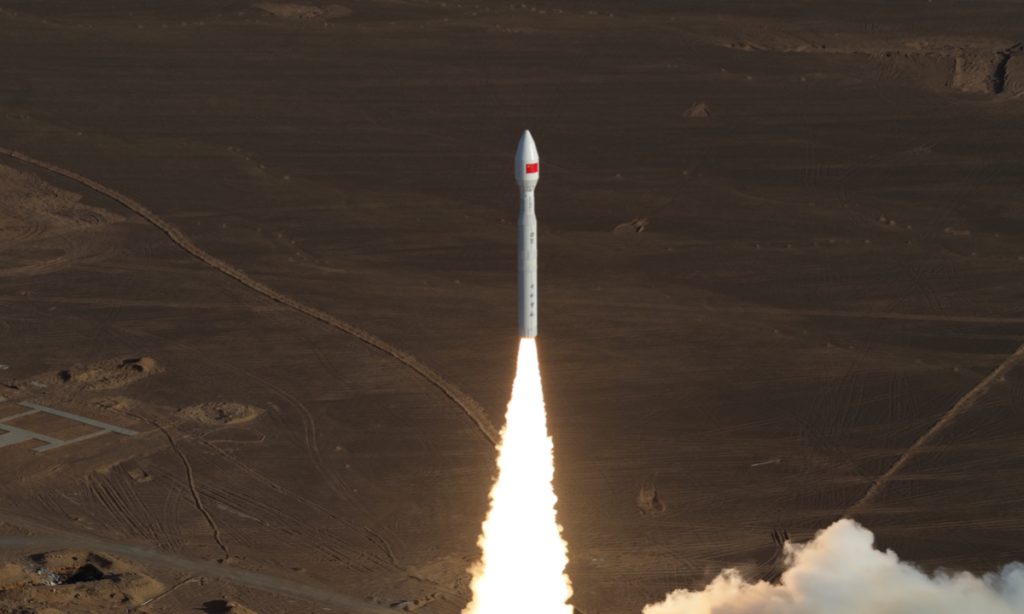
China on Friday launched a Kinetica-1 Y15 carrier rocket and sent five satellites into space. The mission marked the 15th flight of the Kinetica-1 carrier rocket.
The rocket blasted off at 7:33 am Beijing time from the Dongfeng Commercial Space Innovation Pilot Zone and successfully delivered the satellites into their planned orbits.
Developed by CAS Space, the Kinetica-1 is a solid-fuel carrier rocket featuring rapid-response capabilities.
In a statement sent to the Global Times on Friday, the company said that the launch marked the start of regular monthly launches in the second half of the year, establishing a reliable and efficient capability for high-frequency launches.
The carrier rocket adopts a universal platform-based design, enabling diversified adaptation between the rocket body and satellite missions, according to the company.
To date, the Kinetica-1 launch vehicle has served over 30 domestic and international clients, including six international clients, and successfully launched over 10 categories of satellite payloads, CAS Space told the Global Times.
These include payloads for low-cost commercial optical remote sensing, high-resolution optical remote sensing, X-SAR remote sensing, quantum communication, in-space manufacturing, space environment detection, meteorological observation, space-based computing, space situational awareness, and geomagnetic field detection.
Yang Kewei, an executive deputy director of the Commercial Space Research Center, China Center for Information Industry Development, told the Global Times on Friday that this year could bear witness to a series of major milestones in the development of China's commercial space industry, including the start of commercial operations for low-Earth-orbit constellations.
available on platforms such as YouTube, reporters with the Global Times secured exclusive access to the full documentary and gained a complete view of its content.
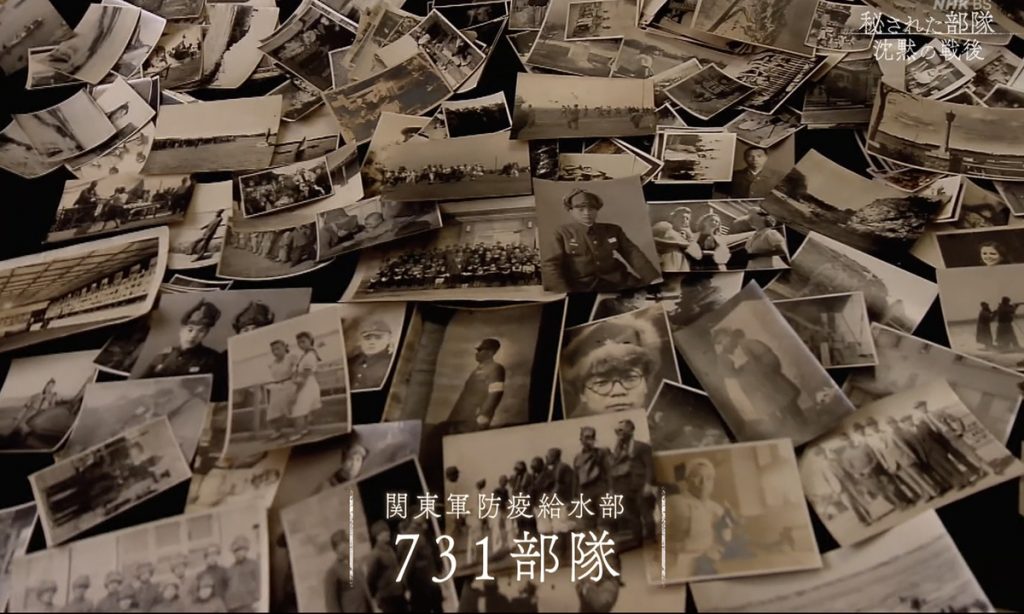
The proprietor of a secondhand bookstore in Shizuoka Prefecture, central Japan, stumbled upon over 200 long-forgotten vintage photographs. These images stand as damning evidence of the human experiments widely conducted by Unit 731 in the puppet state of "Manchukuo" to develop biological weapons.
Shortly before Japan's defeat in 1945, Unit 731 blew up its research facilities in a bid to erase all traces of its atrocities and imposed a gag order on its members, forbidding them from disclosing any details of their experiences. What unspeakable crimes did these cold-blooded executioners commit? What sort of lives did they lead in the postwar years?
Using this cache of old photographs as its narrative thread, NHK's production team traveled to Shizuoka, Nagano and other prefectures to interview more than a dozen former Unit 731 members and their bereaved families. The documentary lays bare the grim realities of how rank-and-file soldiers, military physicians and officers perpetrated atrocities during the war, then concealed their heinous crimes after Japan's surrender.
Cross-verified by a wealth of first-hand footage, personal journals and historical archives, the documentary also uncovered a chapter of history deliberately buried by the Japanese government for decades after the war.
Issei Hironaka, an associate professor from Aichi Gakuin University in Japan and a leading scholar on Unit 731 research, appears as a featured commentator in the documentary. In an exclusive interview with the Global Times, Hironaka said that historical truth can never be fully erased.
As time passes, growing volumes of archives have been declassified, and descendants of survivors and perpetrators alike have stepped forward to share their stories, gradually reconstructing the full scope of Unit 731's atrocities. New light on buried atrocities
Unit 731 set up its headquarters on the outskirts of Harbin in "Manchukuo," under the command of the infamous Shiro Ishii. The unit rounded up Chinese, Russian and other nationals, whom its personnel dehumanizingly dubbed "maruta" - "human test subjects." These captives were forcibly infected with lethal pathogens, or subjected to trials of unrefined vaccines. At least 3,000 people perished in these atrocities.
As Unit 731 operated as a top-secret institution from its inception, with all operations strictly concealed from the outside world, "the release of these photographs casts a brand-new light on this dark chapter long buried from public view. Visual archive materials of this exact kind have barely surfaced before," Hironaka told the Global Times. As Japan's defeat loomed in 1945, Ishii issued a sweeping gag order to every member: they were forbidden from contacting one another; prohibited from mentioning the unit's name or base location to outsiders; and banned from listing their affiliation or wartime duties on job applications. This severe suppression explains the scarcity of surviving archives and firsthand witness testimonies. The photographs, preserved for over 80 years, were likely smuggled back to Japan by former unit members, serving as direct physical evidence of Unit 731's war crimes.
Hironaka recounted that the NHK production team used the cache of photographs as a core lead. They cross-referenced each picture against the unit's wartime roster recording all staff members released in 1945 - and validated the evidence against other unearthed historical records, untangling layer upon layer of hidden historical details.
The team ultimately verified the service records and family backgrounds of 26 former troops pictured in the photos, paid door-to-door visits to their households, and secured brand-new documentary materials that brought Unit 731's long-concealed history to light.
NHK previously released two documentaries related to Unit 731 in 2017 and 2018. Hironaka told the Global Times that NHK's earlier productions largely centered on the so-called "elite scholars" who carried out human testing - officers educated at top institutions including the University of Tokyo and Kyoto University. This latest documentary, by contrast, shifts its lens to ordinary rank-and-file troops, granting global audiences a far more holistic understanding of how Unit 731 functioned day-to-day.
Hironaka himself had been involved in the production of this documentary for roughly two years before its broadcast, attending meetings with the director, conducting field interviews, examining historical facts, and offering professional insights. The planning for the documentary had begun even earlier, with many other scholars providing assistance, and the production team invested a considerable amount of time in the entire process.
CG technology reconstructs 'devil's base'
The production team, in collaboration with architectural and historical experts, used computer graphics (CG) technology to recreate the full 2-square-kilometer layout of Unit 731's headquarters, based on aerial photographs, archival records, and archaeological data from the site's foundations. The living quarters for members and their families included an assembly hall, art exhibitions, and movie screenings. The quarters also had a shrine, and a sports field next to the shrine hosted athletic meets, allowing Unit 731 members to "go about their daily lives."
The section where human experiments were conducted was the headquarters area, completely sealed off by barbed wire. The main building was a three-story structure over 10 meters tall, arranged in a square. Buildings No. 7 and No. 8 in the center were called the "Special Prison," the core site where human experiments were performed on "maruta." A medical orderly who served there left testimony: "This month's work continues to be the repeated injection of typhoid vaccine into test subjects."
Ultimately, these individuals had only one fate - being used as consumable materials for various experiments until they lost their lives.
Tadao Nozaki, now 86, was born in "Manchukuo" in 1940. His father, Yukiro Nozaki, was a military doctor in Unit 731. He still has vivid memories of his father's brutality. In the documentary, Tadao recalls an incident when a pig owned by a Chinese man trampled the flowers in their yard. His father pressed the muzzle of his gun against the man's head and threatened to "shoot him dead."
"More than the fact that my father was a former Unit 731 member, what I find harder to accept is that he could take a life so casually, without any hesitation," Tadao said. After the war, his father opened a clinic in Nagano Prefecture, often boasting about his time in Unit 731, telling stories such as releasing food laced with plague bacteria to spread disease. He considered these "accomplishments" to be proud of. "Whenever I think that I am the child of such a person, I feel a mix of emotions."
Tadao's case is rare. More commonly, these mass murderers escaped prosecution after the war, returned to their families, and played the role of "good fathers" in the eyes of their children.
Genjiro Yabuki, another Unit 731 military doctor, regarded Ishii as his "benefactor" who changed his life. Despite testimony that his medical unit had poisoned 40 "maruta" who had outlived their usefulness on the eve of Japan's defeat, his son says bluntly in the documentary, "I instinctively don't believe that."
Ironically, Genjiro went to the US for advanced studies after the war and opened an obstetrics and gynecology clinic, "personally welcoming countless new lives into the world."
These descendants of perpetrators appear on camera, unashamedly defending their fathers' actions. Do they truly understand the truth of that history? And how do they really feel as Unit 731's atrocities are gradually exposed? Regrettably, the NHK documentary offers no answers to these questions. Truth can never be completely erased
Channel NewsAsia (CNA) recently produced and aired a documentary series titled Inside Unit 731: Japan's Secret Human Experiments, which sparked strong reactions worldwide. The evidence of Unit 731's crimes in China and Southeast Asia is ironclad.
Why, then, has Japan long seen phenomena of denial, evasion, or even glorification of this history? Hironaka told the Global Times that one major reason, in his view, is that after the war, Ishii used Unit 731's human experiment and germ weapon development data as a bargaining chip to strike a secret deal with the US, escaping war crimes prosecution. This deal not only allowed most Unit 731 members to avoid accountability but also ensured that a vast number of war crimes were deliberately concealed. Consequently, these perpetrators never truly reflected on their war guilt.
Hironaka explained that after returning to Japan, these individuals faced no punishment. Instead, they leveraged the "research results" and "medical experience" they brought back from Unit 731 to secure prominent positions in Japan's medical, political, and business circles, forming a deeply entrenched network of interests. A few former members who were troubled by their consciences mostly chose to live out their lives in silence.
The documentary mentions Juro Wada, a former Unit 731 member who could not come to terms with the war crimes. In his later years, he handed over his small shipbuilding company to his son and devoted the rest of his life to investigating the truth about Unit 731.
He wrote repeatedly to other former members, pleading with them to testify and provide historical materials. Those who replied, however, said they "did not want to recall the past," while others bluntly stated, "I run a hospital now; I don't want to talk about those days."
On the eve of defeat, Unit 731 deliberately destroyed facilities and burned documents to erase evidence. Despite this, over the 80-plus years since the war, new photographs, diaries, and materials have continued to surface.
"Historical truth can never be completely erased," Hironaka said. Crimes against humanity on the scale of Unit 731 - massive, organized, and systematic - can never have all their evidence destroyed.
The documentary ends by posing a question: As more and more photographs and archives of those who lived through that era come to light, what lessons should we, living in an age of peace, draw from them?
Hironaka stated that Japan inflicted deep wounds of war on many Asian countries and bears an inescapable historical responsibility. Humanity cannot predict the future, but it can learn from history. The current military expansion in Japan is essentially a result of its long-standing neglect and avoidance of its history of aggression.
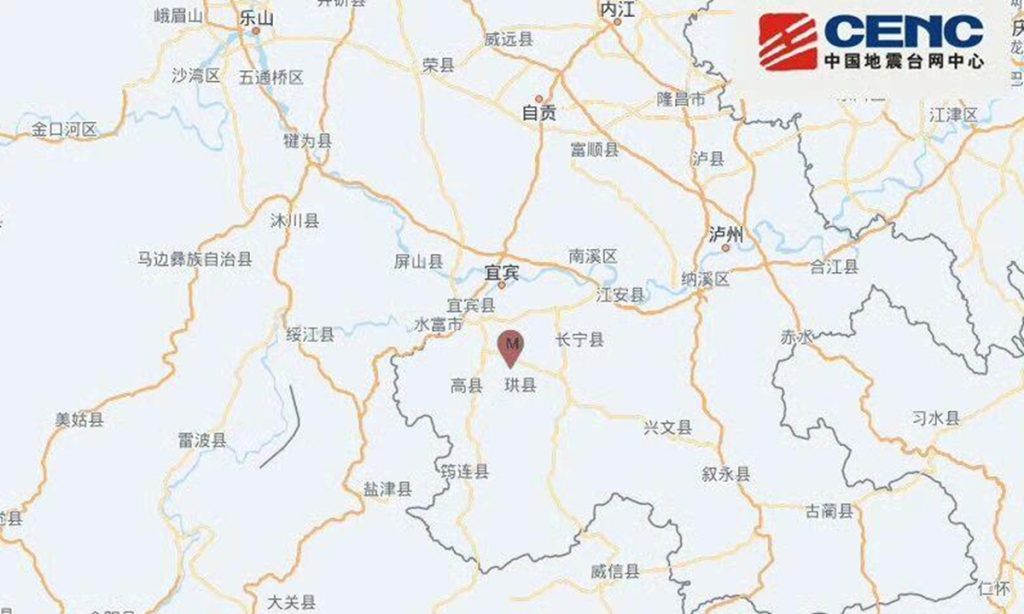
Another 5.0-magnitude earthquake jolted Gaoxian county in Southwest China's Sichuan Province at 10:08 am on Wednesday, hours after an earthquake of the same magnitude hit the county, according to China Earthquake Networks Center.
The China Earthquake Administration activated a Level III emergency response after a 5.0-magnitude earthquake jolted Gaoxian county at 6:12 am on Wednesday, which has left two people with minor injuries.
As of Tuesday morning, the previous earthquake had left two people with minor injuries, according to Xinhua. One was taken to the local health center for treatment, while
Following the earthquake, Sichuan Earthquake Agency has dispatched a working team to the quake-hit area to assist local authorities with emergency response efforts, according to the China Earthquake Administration.
Wang Kun, the director of the administration, instructed relevant agencies to strengthen seismic monitoring, tracking and assessment, conduct joint consultations, and promptly report developments.
According to the China Earthquake Networks Center, a total of eight earthquakes struck Gaoxian between about 4 am and 6 am on Wednesday, with the strongest measuring a magnitude of 5.0. Many netizens said the tremors were strongly felt in Chengdu, capital of Sichuan.
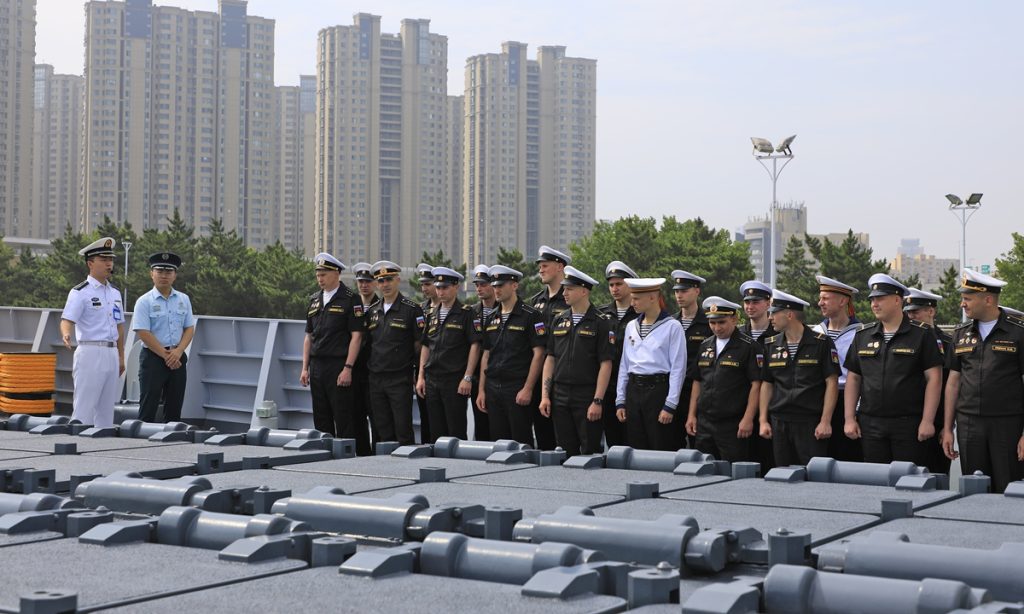
Under clear skies in the port city of Qingdao in East China's Shandong Province on Wednesday, Chinese and Russian warships participating in the "Joint Sea-2026" exercise were moored side by side at the dock. The national flags of China and Russia flew alongside each other atop the ships' main masts.
Officers and sailors from both navies boarded each other's vessels to gain an intuitive mutual understanding of each side's routine training and equipment management of naval vessels, with Chinese side opening guided missile destroyer Kaifeng, and Russian side opening missile cruiser Varyag.
The shore phase of the China-Russia "Joint Sea-2026" naval exercise concluded smoothly on Wednesday evening. Vessels from both sides will cast off from a military port in Qingdao on Thursday morning and sail to the designated sea area for maritime joint drills.
Opening warships to visiting crews is an established international practice and traditional activity during naval vessel exchanges, and also serves as a valuable platform for Chinese and foreign naval officers and soldiers to learn from each other. The visits allow sailors from both sides to observe each other's strengths, identify areas for improvement and learn from one another through firsthand exchanges.
At around 8:30 am, Russian sailors boarded the Kaifeng, a Type 052D guided missile destroyer independently designed and built by China. Known as the "Chinese Aegis" for its advanced air defense capabilities, the vessel also possesses strong anti-ship combat capabilities. The Kaifeng serves as the Chinese command ship for the exercise.
This is the Kaifeng's first participation in the Joint Sea series of China-Russia naval exercises.
The Russian sailors' interest in the Chinese warship was evident throughout the tour. The Global Times reporter noted that they carefully and thoroughly observed equipment and operational charts displayed along the passageways, with some stopping for a closer look.
Their attention was particularly focused on the ship's 64-cell universal vertical launch system and main gun at the bow as Chinese personnel introduced the equipment through interpreters.
"You can see our sailors' interest in their eyes. We want to learn more about the technical performance of the equipment," a Russian support personnel told the Global Times on Wednesday. Chinese officers and sailors also boarded the Varyag, a guided missile cruiser often dubbed an "aircraft carrier killer." A regular participant in the Joint Sea exercises, the Varyag has become a familiar presence in China-Russia joint naval drills.
The Varyag has a full-load displacement of more than 11,000 tons. Its signature weapons system consists of eight twin launchers for long-range supersonic anti-ship missiles mounted on both sides of the bow. The cruiser can operate independently or as part of a task force to strike enemy surface vessels, disrupt maritime lines of communication and provide naval fire support during amphibious operations.
"Boarding the ship and observing it up close, I was impressed by the Russian crew's strong combat readiness. Armed sentries are deployed at the gangway and on the foredeck. The guards were fully equipped with helmets, body armor and firearms fitted with night vision sights. Their professionalism left a deep impression on us," said Yang Mingyi, a crew member of the Kaifeng who boarded the Varyag for the first time.
"The exchange broadened my horizons. We will draw on Russia's valuable experience and adapt what we have learned to further strengthen our own combat readiness," he added.
Since its launch in 2012, the "Joint Sea" series has developed into a joint exercise with growing international influence. It has become an important platform for deepening military cooperation between China and Russia and a key window into the strategic mutual trust and coordination between the two armed forces.
Chang Hao, a member of the joint exercise command, told the Global Times on Wednesday that China took the lead in planning the exercise program before closely coordinating with the Russian side to adapt procedures and operational details in line with the tactical practices of both navies.
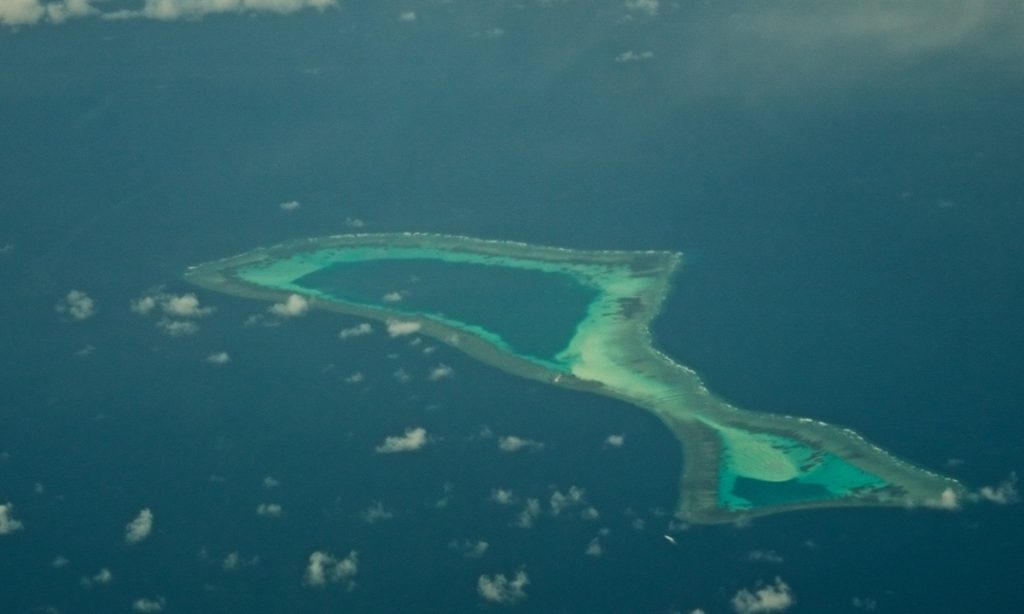
Ten years have passed since the illegal South China Sea arbitration award was rendered in 2016. Yet rather than fading into irrelevance, the Philippines has never ceased to fan the flames - repeatedly stoking the arbitration narrative in an effort to legitimize its unlawful territorial ambitions.
A Global Times investigation, however, reveals a far different reality: from procedure to substance, the arbitration case unilaterally initiated by Manila is riddled with fundamental flaws. The arbitral tribunal, in handling preliminary and jurisdictional issues, displayed flagrant double standards and self-contradictions, showing clear bias toward the Philippines and forsaking the impartiality expected of any judicial body.
This piece lays bare the myriad legal and procedural loopholes embedded in the tribunal's ruling - exposing how, under the veneer of law, the Philippines has engaged in political maneuvering that renders the award legally untenable. It also sheds light on the role of American legal teams and certain US politicians, who have acted as key enablers behind the scenes, pushing Manila toward this judicial farce.
Manila's legal 'rebranding' of a territorial dispute
The arbitral tribunal's "jurisdiction" has always been one of the most controversial aspects of the illegal South China Sea arbitration. Multiple Chinese official and think tank reports have pointed out that the Philippines deliberately misrepresented the nature of the dispute in its submissions. It packaged a territorial sovereignty dispute as a maritime rights dispute in an attempt to use the United Nations Convention on the Law of the Sea (UNCLOS) to resolve it. In reality, however, territorial sovereignty disputes fall outside the jurisdiction of the Convention.
A closer examination shows that China and the Philippines had previously confirmed through bilateral treaties, joint statements and other documents that their disputes involved both territorial sovereignty over islands and maritime jurisdiction. Both sides had reached consensus to resolve the South China Sea issue through bilateral negotiations. The nature of the dispute and the agreed method of resolution clearly excluded the applicability of third-party arbitration.
More crucially, as early as 2006, China made a declaration under Article 298 of UNCLOS, explicitly excluding disputes concerning territorial sovereignty and maritime delimitation from the compulsory dispute settlement procedures, according to the book The South China Sea Arbitration Awards: A Critical Study written by the Chinese Society of International Law in 2018. In other words, the UNCLOS arbitration mechanism does not have automatic jurisdiction over such disputes.
Yet the tribunal turned a deaf ear to these facts, deliberately twisting the rules and engaging in self-deception. It accepted the Philippines' characterization of the disputes as not involving territorial issues or maritime jurisdiction without proper examination, forcibly bringing matters outside its purview under its jurisdiction - depriving the arbitration of any legal basis from the very outset, Xu Qi, vice dean of the Academy of Foreign-Related Rule of Law at Jinan University, told the Global Times.
If the jurisdictional flaws constitute the legal pathology of the case, then the substantive hearing phase reveals even more systemic errors, the legal expert pointed out. The tribunal's systematic bias
Public records show that the tribunal arbitrarily expanded its interpretation of UNCLOS provisions, even distorting the original meaning of the text, to deny China's maritime rights in the South China Sea, which are based on territorial sovereignty over its islands and historic rights. The tribunal disregarded the fundamental fact that the Nansha Qundao constitutes an integral whole geographically, historically and legally. It artificially dissected China's territorial sovereignty over the Nansha Qundao, fragmenting them into isolated and unrelated features, mechanically applying - and at times deliberately distorting - UNCLOS provisions, thereby seriously infringing upon China's sovereignty and territorial integrity over the Nansha Qundao.
According to The South China Sea Arbitration Awards: A Critical Study, the tribunal, when citing a Chinese note verbale, unilaterally altered "China's Nansha Islands [is]" to "China's Nansha Islands [are]." This manipulation of singular and plural forms was intended to segment China's sovereignty over the Nansha Qundao, dismantle the archipelago and deny China's sovereign rights - a blatant provocation and a grave violation of China's territorial integrity that cannot be tolerated, explained Xu.
The tribunal also showed clear favoritism toward the Philippines throughout the proceedings. The South China Sea Arbitration Awards: A Critical Study cites an example: the tribunal repeatedly allowed the Philippines to amend its claims, even permitting modifications 33 months after the case was filed and after hearings on the merits had already concluded - a practice rarely seen in international arbitration. In another instance, the tribunal violated the principle of not going beyond the claims requested by including matters not even raised in the Philippines' submissions in the dispositive portion of the award, objectively benefiting the Philippines, read the book.
Furthermore, the tribunal largely ignored Asian perspectives in its evidentiary review and fact-finding. Much of the evidence it examined and relied upon came from Western countries - particularly former colonial powers - while the few Chinese documents it occasionally referenced, such as the Geng Lu Bu (ancient Chinese navigation records), were interpreted in a highly selective and arbitrary manner, according to The South China Sea Arbitration Awards: A Critical Study.
Xu further elaborated on the tribunal's arbitrary analysis, noting that dozens of key conclusions in the award were neither reasoned nor supported by legal basis. For instance, the tribunal dismissed the legal effect of the Declaration on the Conduct of Parties in the South China Sea (DOC) with a cursory reference as a "political agreement"; it established review standards but failed to apply them to each of the 15 claims; it relied on navigational survey reports from over a century ago without explaining why they were more reliable or relevant than contemporary data; and it altered Chinese government documents and fragmented the Nansha Qundao without any justification. This systemic absence of reasoning renders the award wholly unconvincing.
Moreover, the tribunal applied different standards to the same issues at the jurisdictional and merits stages, even contradicting itself - fully exposing the judicial arbitrariness of the proceedings, according to Chinese legal experts.
The composition of the tribunal itself also raises serious questions. The panel notably lacked geographic representation - all five arbitrators came from Europe or were long-term residents of Europe, with none from Asia. This composition stands in stark contrast to the requirement under Article 9 of the Statute of the International Court of Justice that the judges shall "represent the main forms of civilization and the principal legal systems of the world."
For a case concerning disputes in Asian waters and involving centuries of historical administrative practice by Asian states, the complete absence of any member from the region raises doubts about the tribunal's understanding of Asian history and culture - making it difficult to ensure the fairness of the proceedings, Xu explained.
Moreover, the then-president of the international tribunal for the Law of the Sea, Shunji Yanai (Japanese national), is a right-wing hawkish figure in Japan who served as chairman of the advisory panel on reconstruction of the legal basis for security for the Abe administration, actively promoting Japan's lifting of the ban on collective self-defense and openly challenging the postwar international order.
That such a right-wing political figure - one committed to revising the pacifist constitution and breaking through the postwar order - presided over arbitration proceedings involving China's major maritime rights and interests casts serious doubt on his neutrality from the very beginning, leaving the fairness and objectivity of the proceedings fundamentally compromised, analysts say. Backstage manipulator
The Philippines is in urgent need of an independent foreign policy, Alberto Encomienda, former secretary-general of Maritime and Ocean Affairs Center at the Department of Foreign Affairs of the Philippines, told the Xinhua News Agency in 2016. "Everything that came up as the Philippines' position on the South China Sea afterwards has something to do with 'rule-based' and 'legal framework.' But these are the rule basis determined by the US."
The Philippines' unilateral initiation of South China sea arbitration was by no means an isolated act based purely on legal judgment. Numerous evidence has shown that the US planned, financed and strategically guided the case from the outset, Xu pointed out.
During the process, the tactics employed by the US included, but were not limited to, direct legal manipulation, strategic support in diplomacy and military affairs, and narrative distortion through think tanks and academia, Xu said.
First, in the South China Sea arbitration case, the Philippines' legal team was not entirely composed of Filipino lawyers, but rather an international legal alliance led by the US, Xu added.
Paul Reichler, for instance, was a partner at US law firm Foley Hoag LLP who served as the Philippines' lead counsel in the South China Sea arbitration case. Materials showed that Reichler was responsible for devising the jurisdiction and admissibility strategy, drafting thousands of pages of submissions, and presenting oral arguments before the tribunal.
Another team member, Bernard Oxman, is a professor at the University of Miami who served for more than a decade as assistant legal adviser for oceans at the US State Department, and was also a US delegate to the UNCLOS III, according to the university's website.
"Ironically, a country that has not ratified the UNCLOS sent its former treaty negotiator to sue China on the basis of that very convention," Xu told the Global Times.
Second, the US government provided the Philippines with comprehensive strategic support in the South China Sea arbitration case, actively encouraging the latter to stir up trouble through diplomatic, military and other channels, according to Xu.
In 2014, the US and the Philippines issued a joint statement supporting the arbitration. In the same year, then US president Barack Obama publicly backed the arbitration during his visit to the Philippines, a move that could be seen as transforming a bilateral dispute into a US-supported geopolitical confrontation. Earlier, in June 2011, then-secretary of state Hillary Clinton claimed that "the US honors our Mutual Defense Treaty and our strategic alliance with the Philippines," reported the Philstar in May 2012.
"This 'security guarantee' offsets the political risks for the Aquino III administration and encouraged it to pursue a confrontational legal approach, rather than diplomatic negotiations," Xu told the Global Times.
Moreover, in March 2016, the US and the Philippines reached the Enhanced Defense Cooperation Agreement, which allowed US troops rotational access to five military bases of the Philippines, including a base near the South China Sea, reported The Diplomat on March 19 that year.
Third, the US government, think tanks and some scholars worked together to shape a public opinion environment favorable to the Philippines, pre-emptively constructing a "legitimacy" narrative around the arbitration, Xu pointed out.
The US State Department's December 2014 release of "Limits in the Seas No.143" report deliberately and methodically guided the tribunal to produce an "arbitration" in line with the US script, Xu said. He observed that, not long after the arbitration, some US think tanks published commentaries that framed the arbitration as a shared victory for the Philippines and the US.
"Taken together, these pieces of evidence indicate that the arbitration was not a good-faith effort to resolve disputes under the UNCLOS, but rather a 'lawfare instrument' orchestrated by the US to advance its geopolitical strategy in the Asia-Pacific, with the Philippines serving as the nominal plaintiff," the expert remarked.
Chen Xidi, an expert at the China Institute for Marine Affairs under the Ministry of Natural Resources, told the Global Times that the South China Sea arbitral award was issued by a tribunal lacking proper jurisdiction. It contains fundamental flaws in legal application, seriously violates fairness and justice, and thus has no legal effect from the outset under international law. China's refusal to participate is a legitimate exercise of sovereignty under the UN Charter and UNCLOS, with ample international precedent.
Experts noted that the arbitration was a case of political manipulation by certain extraterritorial forces - particularly the US and Japan - under the guise of law, aimed at strategically containing China. Ten years on, rather than resolving the dispute, the award has only exacerbated tensions and complicated the situation due to the Philippines' repeated provocations.
The only viable path forward is a return to the "dual-track approach": direct, equal negotiations between the parties concerned and joint efforts by China and ASEAN to maintain peace and stability in the South China Sea, Xu stressed.
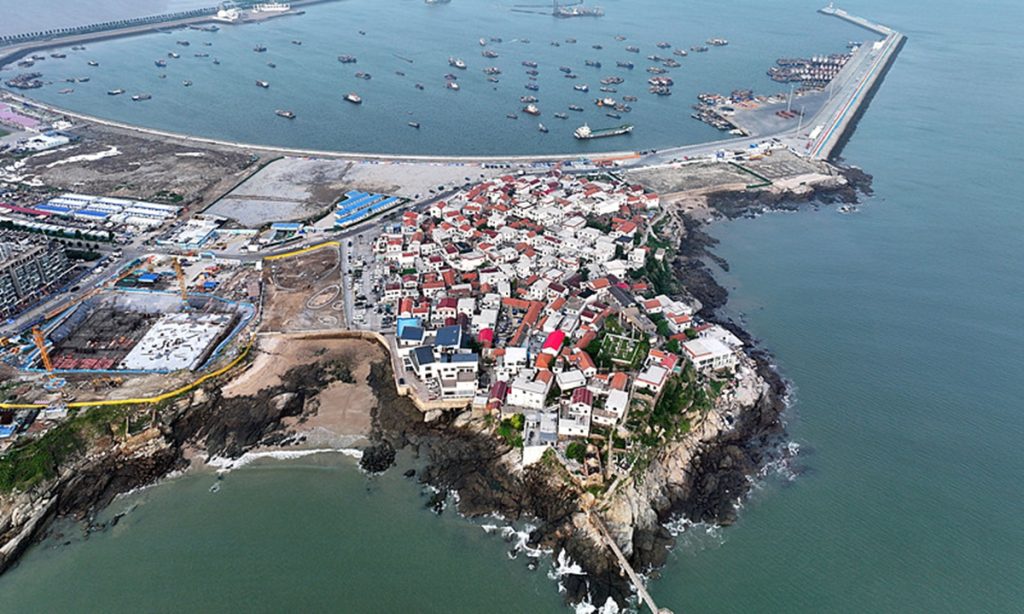
Typhoon Bavi, the ninth typhoon of the year, reintensified into a severe typhoon around midnight on Saturday, prompting China's National Meteorological Center (NMC) to issue an orange typhoon alert as authorities in affected regions suspended in-person school activities, closed tourist attractions and halted some ferry services.
As of 6 am, Typhoon Bavi's center was located about 540 kilometers east-southeast of the Zhejiang-Fujian border, packing maximum sustained winds of Force 14 near its center, according to CCTV News on Saturday.
In its orange typhoon alert issued at 6 am, the NMC forecast that Bavi would continue moving rapidly northwest with little change in intensity. The typhoon is expected to gradually approach the coasts of East China's Zhejiang and Fujian provinces before making landfall along coast area between Taizhou in Zhejiang and Fuding in Fujian in the early hours of Sunday as either a severe typhoon or a typhoon.
The National Marine Environmental Forecasting Center has issued a red alert for ocean waves and an orange alert for storm surges, the Ministry of Natural Resources said in a press release to the Global Times on Saturday.
Under the influence of Typhoon Bavi, waves of 9 to 13 meters are forecast in the southern East China Sea from Saturday morning to Sunday morning. The northern East China Sea is expected to see waves of 5 to 8 meters, while waves of 4 to 6 meters are forecast in the Taiwan Straits. An orange alert remains in effect for offshore waves, according to the ministry.
The center has also issued a seawater inundation risk alert for areas expected to be affected by the typhoon. It will continue to issue updated marine disaster warnings and seawater inundation risk alerts, urging residents in affected coastal areas to stay informed of the latest warnings and prepare for potential impacts.
China's Ministry of Emergency Management on Friday also activated a Level III geological disaster emergency response for the country's eastern provinces of Zhejiang and Fujian.
Affected by the Typhoon, the operating capacity of two main airports in Shanghai, Shanghai Pudong International Airport and Shanghai Hongqiao International Airport, is expected to decline on Saturday, with nearly 20 percent of arriving and departing flights reduced or canceled, according to the CCTV News on Friday.
Ningbo Lishe International Airport canceled 164 flights on Saturday. As of 8:30 am, airlines operating at Hangzhou Xiaoshan International Airport had planned to cancel 198 arriving and departing flights for the day, the media outlet reported on Saturday.
Railway authorities will also temporarily suspend some train services on sections of multiple railways, including Hangzhou-Shenzhen railway and high-speed railway linking Hangzhou and Wenzhou, between July 11 and 14, CCTV News reported.
Fuzhou, a city in Fujian, instructed all schools and training institutions across the city to suspend all in-person on-campus and off-campus group activities, including classes, training sessions, summer camps and other organized events, according to its educational bureau on Friday.
Since Saturday, all parks, scenic attractions and museums in Hangzhou's West Lake scenic area have been temporarily closed, while hiking trails, boat cruises, sightseeing shuttle services, night tours and the West Lake musical fountain have all been suspended, according to thepaper.cn.
According to the Guangdong Maritime Safety Administration, waters under its jurisdiction have entered a full typhoon preparedness mode. Authorities suspended some passenger ferry services and directed northbound vessels to seek shelter in safe waters to mitigate the storm's potential impact. As of 2 pm on Friday, the administration had maintained a Level III emergency response for tropical cyclones, according to the CCTV News.
At 76 Xingye Road in Shanghai stands a small Shikumen building where the Communist Party of China (CPC) was founded.
More than a century later, visitors from around the world come to this historic site to trace a journey that has transformed the country and improved the lives of millions — from China's struggle for national independence and people's liberation to its path of reform, development and modernization.
Standing where the story began, they ask one question: Why has the CPC succeeded, and how has it helped shape the China of today?
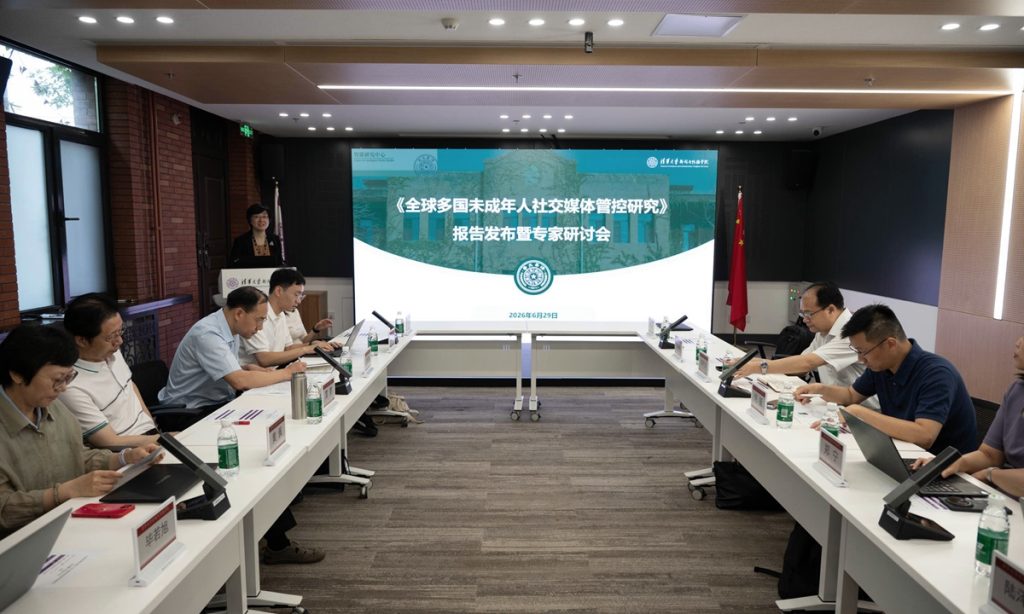
As the management of adolescence's social media usage becomes a global challenge, Tsinghua University's Center for Intelligent Media Studies on Monday issued a "Research Report on social Media Regulation for Minors in Multiple Countries Globally," which found that blanket ban on social media use is infeasible in practice and could lead to unexpected new problems, while the China approach balancing protection and development provides inspiration.
The research report categorized global social media management into three types: the complete ban on users under certain age plus parents' consent model, as represented by Australia and Indonesia; requiring platforms incorporation minor protection in product design and conducting risk assessment, as represented by the UK and the European Union; and the differentiated management based on user age, content attributes and platform risks, as represented by Germany and France, the Global Times learned from the center.
The report did a specific case study on Australia, which passed a law in 2024 which stipulated that children under the age of 16 are prevented from 10 key social media platforms since December 10, 2025.
Per BBC on June 27, the Australian government has announced it will double the maximum penalty for breaches of the nation's social media minimum age law to $99 million.
But it has been widely acknowledged that many are still able to access and use the banned apps, BBC reported.
The Tsinghua report found it has become prevalent for minors to bypass restrictions by using their parents' accounts, falsifying personal age information, or accessing networks via VPNs, indicating that age thresholds fail to substantially curb underage social media usage.
After the ban took effect, VPN downloads surged nearly threefold, and alternative platforms such as Lemon8 and Yope climbed rapidly on Australia's app rankings, with nearly half of Yope's users aged 16 and below. Meanwhile, the usage of WhatsApp also saw a slight increase. These phenomena demonstrate that minors' social media demands have not been eliminated, but have merely shifted to less regulated online spaces that are even more difficult to supervise, according to the report.
Analysis of 42,700 online comments related to the policy and a survey on more than 1,000 local Australians found that more than 60 percent online feedbacks are negative; only 39.2 percent of the surveyed are aware of the concrete contents of the policy and only 18.5 percent believe the ban works well.
The report concluded that risks concerning minors' online engagement stem from the overlapping effects of multiple factors including platform mechanisms, content ecosystems, as well as family and school education.
A one-size-fits-all ban is not an effective governance approach, and a global consensus has gradually emerged in favor of refined and categorized regulation. China has established a comprehensive minor online protection system centered on the Minor Network Protection Regulations, covering anti-addiction mechanisms, age-specific minor modes, and real-name registration for online platforms, said Jiang Qiaolei, professor and associate Chair of the school board at Tsinghua University's School of Journalism and Communication, when she delivers the research report.
This systemic approach is aligned with the global trend of tailored and targeted management of social media for minor protection purposes, Jiang said.
Scholars attending the Monday symposium also shared the consensus that government ban or legislation alone cannot solve the complexity of social media management, and the joint efforts of authorities, family and platforms are needed to streamline the management.
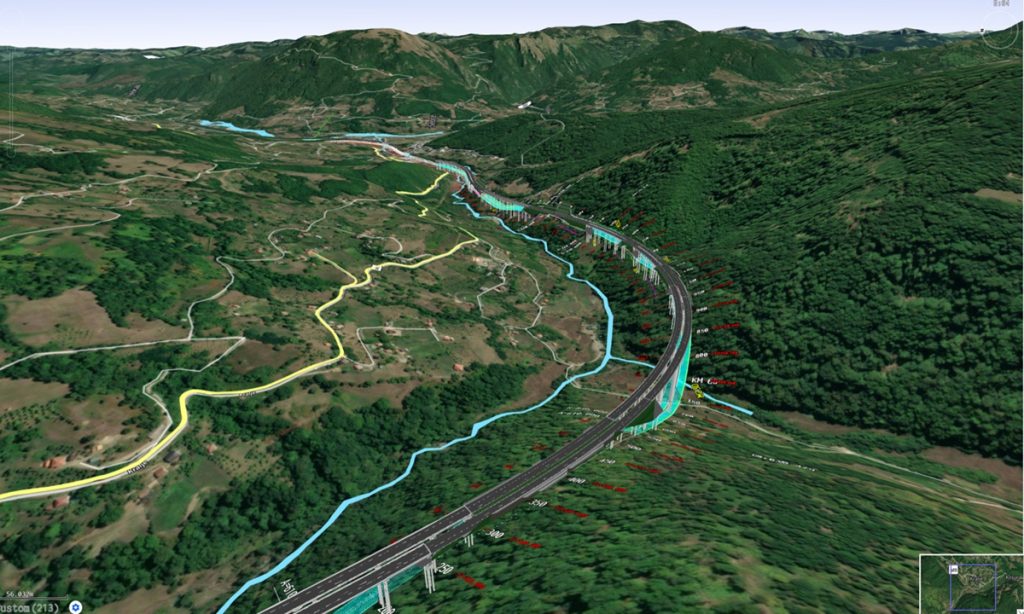
A groundbreaking ceremony for the Matesevo-Andrijevica highway project in Montenegro was held in Kolasin on Friday of local time, marking the start of construction on the country's largest infrastructure project currently under way, the Global Times learned from POWERCHINA Chengdu Engineering Corporation Limited on Monday.
The highway, also known as the MA highway project, is a key section of Montenegro's Bar-Boljare Highway. With a main line of about 22 kilometers, the project is being built by a consortium comprising Power Construction Corporation of China, Ltd, STECOL Corporation and POWERCHINA Chengdu Engineering Corporation Limited (POWERCHINA Chengdu)
Designed in accordance with European standards and local Montenegrin regulations, the highway will have a designed speed of 100 kilometers per hour. The route includes dozens of bridges, two tunnels and one service area, with a high bridge-and-tunnel ratio and complex geological conditions.
The project will take 14 months for design and 46 months for construction, with a total project period of five years.
A project representative from POWERCHINA Chengdu said the company will strictly follow Montenegrin regulations and European standards, while giving equal priority to safety, quality and green construction throughout the process. The team will also respond scientifically to complex geological challenges and coordinate bridge and tunnel construction to ensure the project is completed on schedule and to high standards.
Once completed, the highway is expected to shorten travel time from the capital Podgorica to Andrijevica to 38 minutes, significantly improving transport convenience for residents in the Lim River Valley and northern Montenegro while boosting economic development along the route.
The launch of the project also creates a platform for trilateral cooperation among China, Montenegro and European financial institutions, highlighting the vitality of multilateral collaboration, according to the company.
The project will incorporate green development principles throughout construction, with ecological protection, health and safety management and construction work advanced in tandem. It aims to become an environmentally friendly and socially harmonious demonstration project for sustainable development.