Uruguay announces visa waiver for Chinese citizens; move reflects steady momentum in China-Uruguay ties, positive prospects for China-LatAm cooperation: experts

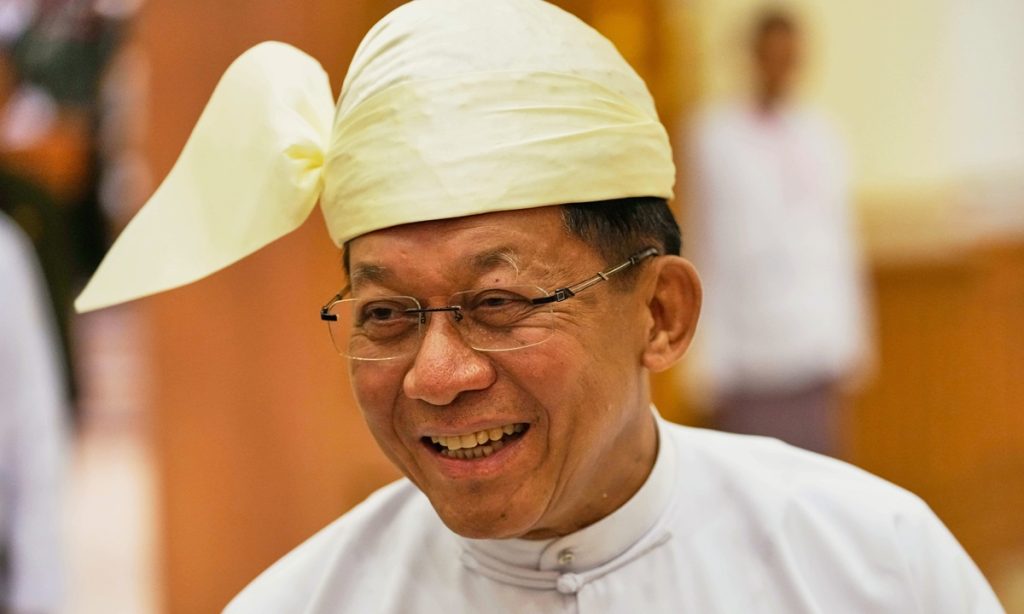
Uruguayan Foreign Minister Mario Lubetkin announced Thursday that Uruguay will waive visa requirements for Chinese citizens holding ordinary passports, the Xinhua News Agency reported on Friday.

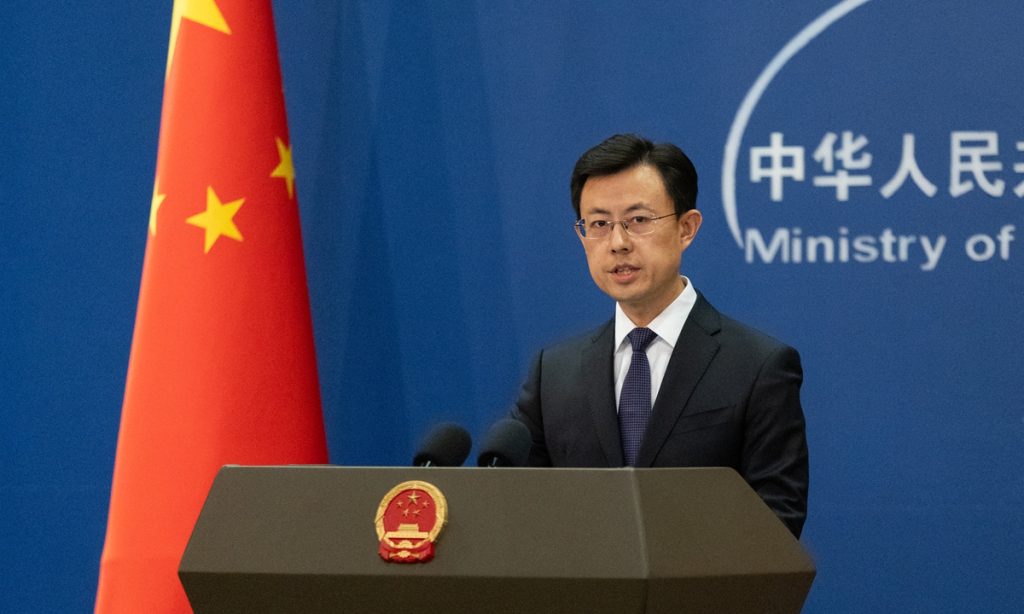
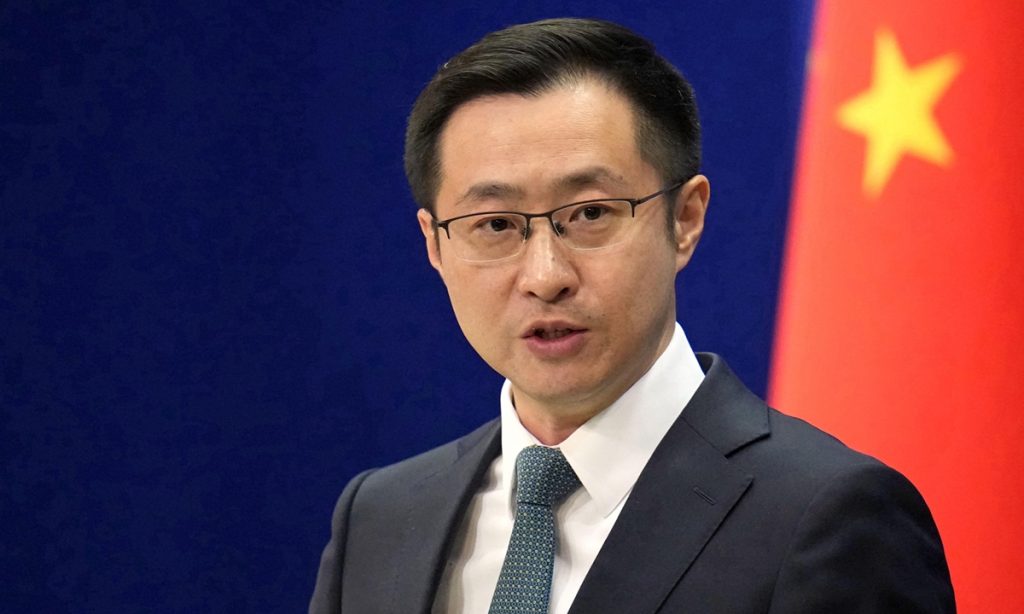
Greater ease of travel between China and Uruguay will contribute to better mutual understanding and more exchanges and cooperation between the two peoples, Chinese Foreign Ministry spokesperson Mao Ning said on Friday following the announcement.

Chinese experts said that the move reflects continuing steady momentum of ties between the two countries, a positive response of China's earlier visa-free policy to the countries in the broader geographical context of the Latin-American region, and a growing recognition of China passport in the region.

Positive response

At the instruction of President Yamandu Orsi, Uruguayan Foreign Minister Mario Lubetkin announced on Thursday during the farewell event for Chinese Ambassador Huang Yazhong the start of a process to allow Chinese citizens to enter Uruguay without a visa, according to a post by Cancillería Uruguay, the country's foreign ministry, on X platform.

The measure will especially benefit growing tourism from that part of the world, and comes in reciprocity to the step taken by Chinese authorities at the beginning of 2025, which will help significantly boost this sector that is highly important to the country's economic development, according to the post.

The move came after Chinese Foreign Ministry announced last year starting June 1, 2025, China's visa-free policy will benefit nationals of Brazil, Argentina, Chile, Peru and Uruguay, with the trial period lasting until May 31, 2026.

The news about Uruguay's visa-free policy for Chinese citizens quickly drew attention from local media, with outlets including Uruguayan television Subrayado, La Diaria and Montevideo Portal reporting on the Uruguayan Foreign Ministry's announcement.

According to Montevideo Portal, the measure aims to especially promote the growth of Chinese tourism and strengthen bilateral ties between the two countries.

At the bilateral level, the reciprocal visa-free arrangements are an important part of the China-Uruguay comprehensive strategic partnership. They reflect the continuing momentum of China-Uruguay ties and will help facilitate investment and trade between the two countries. More broadly, they represent a positive response to China's visa-free policy for five Latin American countries, Wang Youming, Director of the Institute of Developing Countries at the China Institute of International Studies in Beijing, told the Global Times on Friday.

According to Xinhua, the Brazilian government also announced that Brazil will implement a visa-free entry policy for Chinese citizens holding valid ordinary passports, starting May 11, 2026.

Recent high-level interactions have also underscored the steady momentum in China-Uruguay relations. On May 28, Chinese Foreign Minister Wang Yi met with Mario Lubetkin in New York. Earlier this year, in February, President Yamandú Orsi paid a state visit to China. During his visit, China called for strengthening the alignment of development strategies, and deepening cooperation in areas such as economy and trade, finance, agriculture and animal husbandry, infrastructure construction, and information and communications technology, according to an earlier report by Xinhua in February.

According to a release from the Chinese Foreign Ministry, since the establishment of diplomatic relations, the biggest features of China-Uruguay relations have been maturity, stability and predictability.

China is not only Uruguay's largest trading partner, but also a major trading partner of Latin America and the largest trading partner of many South American countries.

Wang Youming said that China's vast consumer market, especially its demand for agricultural and livestock products, matches the export needs of many Latin American countries, including Uruguay, where beef exports play an important role in driving the economy.

The visa-free move is an important step in implementing the consensus and cooperation measures reached by the two sides, especially after the Uruguayan president's visit to China earlier this year. More than boosting tourism, the policy will also benefit business exchanges, trade and investment facilitation between the two countries, Wang said.

Jiang Shixue, a professor at the Center for Latin American Studies at Shanghai University, told the Global Times on Friday that China-Uruguay trade shows a complementary pattern, as the two countries' trade structure reflects their respective comparative advantages. Uruguay mainly exports primary products and raw materials while China mainly exports manufactured goods such as mobile phones and air conditioners.

According to statistics from China's General Administration of Customs, bilateral trade between China and Uruguay reached $7.19 billion in 2025, with China's exports standing at $3.68 billion and imports at $3.51 billion.

China passport sees growing recognition

Located in southeastern South America, Uruguay sits on the eastern banks of the Uruguay River and the Río de la Plata, bordering Brazil to the north, Argentina to the west and the Atlantic Ocean to the southeast. Its vast grasslands, long coastline, unhurried pace of life and rich cultural heritage together shape the distinctive charm of this South American country, according to media reports, citing Xinhua.

Data from Chinese online travel platform Qunar showed that as of Friday morning, searches for flights from China to Uruguay had risen significantly, with searches for Montevideo, Uruguay's capital and the most popular local destination for Chinese travelers this year, surging dozens of times compared with the previous week. Qunar's research institute said that as Brazil has already implemented a visa-free policy for Chinese citizens, travelers can now combine Uruguay and Brazil in one trip and visit multiple South American countries with lower costs.

The visa-free move also reflects the growing recognition of Chinese passports among Latin American countries, as well as China's rising international standing and the continued improvement of China-Latin America relations, Jiang said.

Data from another online travel platform Tongcheng Travel also pointed to rising interest in Uruguay after the announcement. The platform said the expansion of visa-free destinations is helping stimulate demand for long-haul outbound travel, while the upcoming 2026 FIFA World Cup in North America could further boost "match-watching plus South America tour" itineraries, making visa-free South American destinations more attractive to Chinese travelers.

Official data from platforms including the China Consular Affairs website show that at present, 62 countries and regions allow visa-free entry for Chinese citizens, 37 offer visas on arrival, and 49 allow entry with e-visas. After removing overlaps, the total reaches 123 countries and regions, accounting for about 64 percent of the 193 UN member states.

As of April 2026, research by Henley & Partners showed that China's ordinary passport had a Henley Passport Index score of 82 and ranked 55th among 101 places globally, its highest level in recent years.

The visa-free move can also be viewed in a broader regional context, Wang said, noting that Uruguay is an important member of Mercosur and has long supported closer trade arrangements with China, including efforts to advance China-Uruguay free trade cooperation and broader China-Mercosur economic engagement.

12.9 million Chinese sit 2026 college entrance exam as gaokao shows a social ethos that values knowledge, fairness

It is the time of the year once again when one examination commands the concern of the nation. As China's national college entrance exam, or gaokao, began on Sunday, scenes at test sites captured the moment: parents offering hugs and encouragement as students stepped into exam halls for one of the most pivotal tests of their lives. Some mothers wore qipao, a traditional dress symbolizing qikaidesheng, or success at the outset.

A total of 12.9 million students have registered for this year's gaokao, with 7,981 testing centers and about 348,000 examination rooms set up across the country. Chinese language and mathematics are the subjects tested on the first day of the exam, media reported.

Authorities have mobilized a wide range of resources, from traffic control and noise-reduction measures to AI-powered anti-cheating systems and emergency medical services to ensure a smooth and fair examination process. This year's essay topics, which repeatedly touched on technology and societal change, illustrate how the gaokao reflects China's evolving social values and supports the country's strategic priorities.

Since the gaokao's restoration in 1977, the college entrance examination is not only a selection process, but also an important engine of national development and social mobility. The gaokao has continuously provided China's higher education institutions with high-quality students, cultivated a large number of professionals for national strategy, economic development and technological innovation, and fostered a social ethos that values knowledge and upholds fairness, analysts said. 

Ensuring a convenient and fair environment

At Beijing No. 8 Middle School, students and parents began gathering outside the testing center hours before the first exam. Parents were seen holding signs to encourage their children, one of which read, "May success bear your name, and may our paths cross at the summit."

Police officers and community volunteers offered assistance and distributed messages of encouragement, while a temporary service station helped students resolve last-minute identification issues.

Across China, local governments have mobilized resources to support the students taking this year's gaokao. In Yuncheng, North China's Shanxi Province, testing centers are equipped with cooling facilities, backup audio systems and round-the-clock medical support. Outside exam venues, authorities have stepped up traffic management, noise control and food-safety inspections in an effort to ensure that students can focus on one of the most important exams of their lives.

During the gaokao, market supervision authorities across Guangzhou launched targeted inspections to safeguard students, covering food safety, stationery quality, special equipment and even anti-cheating measures. In several districts, officials checked canteens, nearby restaurants, catering services and student accommodations to ensure safe meals, according to a notice published by the authorities.     

In a notice issued on June 6, the Ministry of Education (MOE) reminded candidates to observe exam discipline and refrain from bringing mobile phones, smartwatches, smart glasses or other wireless communication devices into testing centers, requiring any such items to be stored at designated locations before entering examination rooms.

To curb cheating during the gaokao, testing centers across China have deployed technologies including AI-powered monitoring systems and smart security screening gates. 

In Beijing, candidates are barred from bringing smart glasses into testing venues, while in Guangzhou, Guangdong Province, security gates have been upgraded to better detect concealed wearable devices. AI monitoring systems used in many examination rooms can automatically flag unusual behavior by test takers and generate video clips for further review, according to China Central Television. 

Keeping pace with the times

China's 2026 gaokao essay questions featured five sets of papers, each with its own writing task. Education officials told the Xinhua News Agency that the essay questions were designed to reflect contemporary themes, promote critical thinking and values education, and encourage students to apply what they have learned to real-world issues.

Compared with last year, technology featured more prominently in this year's essay questions. In Beijing, one prompt asked students to draft a promotional message for a volunteer event themed "Artificial Intelligence and a Happy Retirement," to encourage the participation of seniors ahead of the Chongyang Festival.

In Shanghai, the essay topic also focused on technology, asking candidates to reflect on how it reshapes the world and transforms the way we imagine it.

One of the essay prompts in National Paper I asked students to reflect on a word whose meaning had evolved for them as they grew up, and to discuss how that change reflects their personal development and understanding of a rapidly changing world.

The recent changes to gaokao essay topics and university programs reflect broader efforts to align education with evolving social and economic needs, Zhang Yiwu, a professor in the Department of Chinese Language and Literature at Peking University and director of its cultural and arts committee, told the Global Times. 
Zhang said the prominence of argumentative writing underscores a growing focus on critical thinking, analytical skills and clear expression, while universities are increasingly channeling resources toward emerging fields such as artificial intelligence and other strategically important disciplines. The shift, Zhang said, reflects a move beyond merely adjusting existing programs toward cultivating new areas of growth.

In January, the Ministry of Education issued a notice on the gaokao, outlining plans to improve the quality and broaden the reach of higher education, with an emphasis on expanding enrollment in top-tier undergraduate programs. 

Universities are restructuring their academic offerings to prioritize foundational disciplines, emerging fields, interdisciplinary studies, and areas of high demand, in line with national priorities for scientific innovation and industrial development. At the same time, existing programs are being updated and refined, supporting China's pursuit of advanced scientific and technological self-reliance, reads the notice.

Moreover, this year, multiple Chinese universities have rolled out new undergraduate programs such as embodied intelligence, low-altitude economy and management, as well as marine intelligence and unmanned technologies, aiming to meet the country's emerging strategic and industrial needs, according to an updated catalog recently issued by the MOE.

The college entrance examination has long remained a focal point of concern for Chinese society, not only because it shapes the personal development of candidates and their families, but also because it reflects the nation's enduring emphasis on education and knowledge. The exam carries the public's expectations for fairness and social mobility, Zhang noted, adding that trends in the gaokao provide a window for observing broader societal changes and evolving values.

Ministry of State Security article warns researchers about unintentional leaks of sensitive scientific data

As technological competition grows increasingly intense, technological security has become an important area of national security. Once sensitive scientific research data is leaked, it may not only affect the future prospects of researchers themselves, but also potentially endanger national security, read an article by the Chinese Ministry of State Security (MSS) on Wednesday.

A casually disclosed update on research progress, or the upload of unauthorized materials — such "unintentional mistakes" may well lead to the leakage of scientific research information, therefore requiring serious attention and prevention, the article warned.

The article cited one case as an example. In order to increase the chances of acceptance when submitting papers to international journals and academic conferences, a researcher, without undergoing the required confidentiality review by his or her institution, included detailed information in the appendix and supplementary materials, such as the core structure of equipment, key technical parameters, and distinctive experimental sample data. This resulted in the leakage of important technical details, and the individual concerned as well as relevant responsible personnel were held accountable, according to the article.

Another case showed that a staff member from a domestic university, while conducting a visiting study overseas, stored sensitive data including unpublished raw experimental data and interim research parameters, on an overseas cloud drive and in a personal overseas email account for research convenience, without completing the required confidentiality approval procedures for the cross-border transfer of research data. 

A foreign partner institution obtained core scientific research information through backend extraction and published related academic findings ahead of others, resulting in the loss of value of domestic research achievements. The individual concerned and relevant responsible personnel were held accountable, the MSS article wrote.

The MSS article also warned of photo-sharing leaks. In one case it provided, some university students and researchers casually took photos of experimental scenes, instruments and equipment, and new devices while conducting experiments in laboratories, operating precision equipment, or testing experimental platforms, and then post them on online social media platforms. 

These seemingly ordinary daily-life posts may be captured by foreign espionage and intelligence agencies or relevant research institutions, which may analyze them to identify sensitive information such as equipment performance, technical shortcomings, experimental conditions, and research progress, creating risks of leaks and disclosure.

Another case showed that some researchers, when attending overseas academic forums or online seminars, lack sufficient vigilance against targeted technical questions, data inquiries, and probing into research topics raised by foreign participants, and casually disclose key details such as technical principles and process flows. Such remarks, made in passing, may become high-value intelligence for foreign espionage and intelligence agencies or relevant research institutions.

Strictly observing confidentiality requirements in scientific research and building a strong line of defense are essential, the MSS article underscored.

Anyone who crosses the line, violates China's core interests on Taiwan question will inevitably pay the price: FM on latest entry-ban measures on NZ lawmakers involved

A small number of New Zealand lawmakers recently ignored China's serious concerns and firm opposition and insisted on visiting China's Taiwan region. Their actions violated the one-China principle and interfered in China's internal affairs. In accordance with the relevant laws of the People's Republic of China, China has decided to impose entry-ban measures on the individuals concerned, Chinese Foreign Ministry spokesperson Mao Ning said on Thursday in response to a question about China's one-year entry ban on four New Zealand lawmakers who previously visited Taiwan. 

"I would like to emphasize that the one-China principle is a widely recognized norm of the international community and a basic principle governing international relations. It is also the political foundation of China-New Zealand relations," the spokesperson said. "We urge the individuals concerned to genuinely respect China's sovereignty and territorial integrity, and strictly abide by the one-China principle. Anyone who crosses the line and violates China's core interests on the Taiwan question will inevitably pay the price," Mao noted. 

In response to another media inquiry that some German lawmakers visited Taiwan region in May and whether China would ban lawmakers from Germany and other countries who visit Taiwan region from entering China, Chinese Foreign Ministry spokesperson Mao Ning stated that Taiwan is a part of China, and that the one-China principle is a prevailing consensus of the international community, a basic norm governing international relations, and the political foundation of China-Germany relations. 

Mao said it is hoped the German side will abide by the one-China principle and refrain from interfering in China's internal affairs by using the Taiwan question, adding that "anyone who crosses the red line on the Taiwan question will definitely pay a price."

Asked by Global Times when Japan would retract Takaichi’s erroneous remarks on Taiwan island, Japan’s Defense Minister dodges the question with silence

On May 29, following the keynote address and opening dinner of the 23rd Shangri-La Dialogue, Japan’s Defense Minister Shinjiro Koizumi was surrounded by reporters. A Global Times reporter on the scene asked Koizumi when the Japanese government will retract erroneous remarks on Taiwan island made by Sanae Takaichi. Faced with the question, Koizumi maintained a serious expression and dodged the question with silence, leaving the dinner venue surrounded by his entourage.

In November 2025, Takaichi openly declared in a Diet meeting that a potential contingency in Taiwan region could constitute a "survival-threatening situation" for Japan, implying the possibility of armed intervention in the Taiwan Straits. To this day, the Japanese side has not only failed to retract the erroneous remarks but has also taken a series of moves that have further heightened regional tensions. China’s Ministry of Foreign Affairs has issued repeated warnings: Japan’s neo-militarism spreads rapidly and dangerously, which has already posed a real threat to world peace and stability.

At the Chinese Foreign Ministry’s regular press conference on May 29, a reporter raised a question regarding reports that, “according to data recently released by the Japanese government, orders from the Ministry of Defense have tripled over the past five years, making up half of the government’s public procurement orders in fiscal year 2025, as a result of Japan’s policy to bolster defense capabilities.

Chinese Foreign Ministry spokesperson Mao Ning said that the reactivation and rapid rise of Japan’s military industrial complex represents another major development in Japan’s accelerating remilitarization. Does Japan intend to return to the path of militarist expansion? All peace-loving people in the world, including the Japanese people, must stay on high alert, Mao said.

Serbian President Vucic continues China visit, highlighting cooperation potential in high-tech and innovation

Serbian President Aleksandar Vucic on Wednesday visited Minth Group, a global auto-parts supplier, in Jiaxing, East China's Zhejiang Province, adding another innovation-focused stop to his China visit that analysts said highlights the expansion of bilateral cooperation into advanced manufacturing, smart mobility and emerging industrial chains.

During the visit, Vucic learned about Minth's development in innovation fields including humanoid robots, according to the Xinhua News Agency. A short video released by Xinhua showed the Serbian president watching humanoid robots perform in formation and demonstrate calligraphy, with company representatives explaining the display on site.

The Minth visit came a day after Vucic toured the auto factory of Chinese tech giant Xiaomi in Beijing and met with Zhao Deli, founder of Chinese flying car company XPeng AeroHT. The Serbian President is paying a state visit to China from Sunday to Thursday, according to the Chinese Foreign Ministry.

Vucic's stops at Chinese innovation-led companies suggest both sides are looking to move practical cooperation up the value chain, pairing Serbia's manufacturing base and European market access with China's strengths in technology commercialization and supply-chain development, Chinese analysts said.

At a future factory of Minth on Wednesday morning, Vucic was briefed on the company's auto-parts research, manufacturing and system-solution capabilities, as well as its expansion into humanoid robots, wireless charging, the low-altitude economy and AI liquid cooling and energy, the Global Times learned from the company on Wednesday.

During Wednesday's visit, Serbia signed agreements with four Chinese companies, including Minth Group, in new projects in high-tech, auto parts and advanced manufacturing, underscoring the growing depth of China-Serbia strategic economic cooperation, according to public information. 

Vucic wrote on X on Wednesday that "In two months, we will have humanoid robots produced in Serbia. We will have something that no one else in Europe has. I am proud of the friendship between Serbia and the People's Republic of China and the prestige that our country enjoys."

The latest stop followed earlier Serbia-China discussions on humanoid robots. In February, Vucic met representatives of Minth Group and AGIBOT Innovation in Belgrade and said Serbia could start producing such robots as early as this year, with plans for 50 factories between 2026 and 2030 where humans and robots would work together, according to a news release issued by the Serbian president's office.

Zhou Mi, a senior research fellow at the Chinese Academy of International Trade and Economic Cooperation, told the Global Times on Wednesday that Vucic's intensive visits to Chinese innovation-driven companies show Serbia's intention to broaden cooperation with China in investment, trade and emerging industries.

Serbia has an industrial base and access to the European market, while Chinese companies are strong in turning technologies into commercial-scale applications, Zhou said. "If these projects take root locally, they could attract suppliers, strengthen supporting industries and create spillovers in jobs, skills training and technology upgrading."

The Zhejiang visit followed Vucic's Tuesday tour of Xiaomi's Beijing auto factory, where he got an up-close look at Chinese electric vehicles (EV) and learned about Chinese technology companies' latest progress in intelligent manufacturing and industrial innovation, according to Xinhua.

In a Xinhua video, Vucic told reporters that "these are beautiful cars" during his visit the factory, and after getting inside the EV, he said, "It's really great."

In a social media post, the Serbian leader said that the Xiaomi plant was highly automated, with "2,000 robots" operating production lines that can produce 1,500 cars in two shifts. He said Serbia had invited Xiaomi, if it considers investing in Europe, to choose Serbia, and had also invited the company to showcase its products at EXPO 2027 Belgrade.

Vucic also met Zhao Deli, founder and CEO of XPeng AeroHT, in Beijing on Tuesday, according to the official WeChat account of the municipal government of Changsha, Central China's Hunan Province. Zhao said the company plans to work with Serbia to build Central and Eastern Europe's first national-level smart low-altitude demonstration zone around EXPO 2027 Belgrade.

The corporate visits formed part of a broader state visit anchored by high-level diplomacy. On Monday, China and Serbia signed more than 20 cooperation documents covering political relations, economy and trade, science and technology, education, legal affairs and culture, according to the Chinese Foreign Ministry.

Foreign Ministry spokesperson Mao Ning said on Tuesday that both sides agreed to seek synergy between China's 15th Five-Year Plan (2026-230) and the Serbia 2030 development strategy and deepen political cooperation, as well as cooperation in areas like the economy, science and technology, culture, tourism and education.

Bilateral economic and trade relations have continued to develop. According to statistics from the General Administration of Customs, bilateral trade reached $6.48 billion in 2025, up 13 percent year-on-year.

Group of Friends of Global Governance forges consensus on 5 points: Chinese FM

Chinese Foreign Minister Wang Yi said Thursday that the Group of Friends of Global Governance (GFGG) has reached consensus on five key points regarding global governance.

Wang, also a member of the Political Bureau of the Communist Party of China Central Committee, attended a meeting of the GFGG at the UN headquarters in New York.

Since the group's establishment, all members have engaged in extensive discussions on reforming and improving global governance, Wang said, adding that the group has reached consensus on five major points.

First, all members support the democratization of international relations, Wang said, noting that all countries, regardless of size, strength or wealth, have the right to choose their own social systems and development paths, and to participate, decide and benefit equally in global governance.

Second, all members call for upholding the purposes and principles of the UN Charter, ensuring the equal application of international law and international rules, and opposing double standards and coercion, he said.

Third, all members support safeguarding the central role of the UN, practicing multilateralism, strengthening multilateral mechanisms, and opposing unilateralism and power politics, Wang said.

On the fourth point, Wang said all members support reforming and improving global governance and narrowing the North-South divide to ensure that all countries share the benefits of development and that no country is left behind.

Fifth, all members also call for addressing the most pressing challenges facing the international community through concrete actions and practical results to ensure global governance meets the needs of the times and the people, he added.

Lao delegates return from China’s border villages with valuable lessons: top-down, scientific and sustained model can benefit wellbeing

China has consistently made poverty eradication a key priority in national governance. Over the past decades, China has lifted 800 million people out of poverty, achieving the poverty reduction goals of the UN's 2030 Agenda for Sustainable Development a full decade ahead of schedule.

This unwavering commitment, described by Chinese President Xi Jinping as the "endurance, perseverance, and striving spirit that enables water drops to penetrate rocks over time and turns blueprints into reality," has ensured both policy continuity and long-term success, according to the Xinhua News Agency.

Poverty eradication remains a global challenge. China's remarkable achievements in poverty alleviation have drawn extensive international attention. Having lifted a massive population out of poverty within a short period, China's development practices embody profound wisdom and offer valuable experience for other nations. Numerous developing countries are eager to explore the secrets behind China's victory in poverty relief, with many dispatching delegations to learn from China's experience.

In light of this, the Global Times is launching Season Two of the series "constant dropping wears away a stone" to explore how China's poverty alleviation achievements and compelling stories are benefiting populations abroad and providing inspiration to Global South countries. In this opening episode, we look at 11 village officials and representatives from Luang Prabang, Laos, who came to Xishuangbanna, Southwest China's Yunnan Province along China-Laos border to study China's rural poverty reduction and revitalization models in distinctive cultural tourism villages.
Stepping into the Sanman villages in Menghan town, Xishuangbanna, Southwest China's Yunnan Province - right on the China-Laos border - Lao village official Somphone Keomany's eyes sparkled with excitement. He pointed at a beautifully renovated traditional Dai ethnic group's bamboo house that had been transformed into a stylish boutique guesthouse and said enthusiastically, "This is exactly what we can try in our Tingsong village back in Laos!"

Somphone and his delegation - 11 village officials and representatives from Luang Prabang, Laos - came to Xishuangbanna to study China's rural poverty reduction and revitalization experience. Tingsong village in Luang Prabang is a demonstration site for village-level poverty alleviation and rural revitalization, developed through collaboration between China Agricultural University, the Tencent Foundation and the Luang Prabang provincial government.

The five-day training program in Yunnan offered the Lao participants a valuable, ground-level perspective on China's rural development model, enabling them to identify practical experiences and approaches that could be effectively adapted and replicated in Luang Prabang. The Lao delegates traveled to China aboard the China-Laos Railway, filled with curiosity and keen observation, jotting down in their notebooks the key to rural prosperity in China.
'Path of learning how to prosper'

In just one and a half days, Somphone had filled four pages with detailed notes. One of the most prominent words was "turning waste into treasure." In the Sanman villages (Mankongdai, Manluanzhan, Mankongmai), he saw a re-innovated water tower transformed into a popular cafe, an idle warehouse turned into a leisure teahouse, low-yield rubber forests converted into science education bases and old low-rise houses renovated into comfortable, bright boutique guesthouses.

This "miracle blooming on black soil," as Somphone described it, stems from the "Sanman villages rural tourism complex" idea promoted by Professor Li Xiaoyun from China Agricultural University, a prestigious scholar in China's rural development, and local government's strive for rural revitalization.

In 2023, at the invitation of the Xishuangbanna prefectural government, Li Xiaoyun's team supported building an experimental zone in Sanman villages for rural revitalization, and positioned the villages as a window to showcase China's rural development, ethnic unity, and overall progress to Southeast Asia and the world.

In February 2021, China announced it had secured a "complete victory" in its fight against poverty. In Laos, struggling against poverty remains a challenge. As of 2024/2025, about 15 percent of its people were living below the national poverty line of $1.10 per day, according to data of the United Nations World Food Program. Many Global South countries including Laos have thus turned to China - the developing nation that lifted the largest number of people out of poverty - to learn from its successful experience.

"We were all very excited before coming. Everyone signed up as soon as they heard there was a chance to visit China," said Khankeo Keopanya, development advisor of Tingsong village in Laos. "We started observing China's development speed and efficiency the moment we boarded the China-Laos Railway from Luang Prabang. This railway has truly taken us onto a path of learning how to prosper," he told the Global Times.

Some villagers in Manluanzhan village told the Global Times that the area used to be poor with outdated infrastructure and limited opportunities. Today, the Global Times reporter observed that the high-end guesthouses feature modern, comfortable, well-designed furniture. Villagers said Li Xiaoyun personally selected and designed things down to the plates and bowls. His team lived and worked alongside the villagers, exploring local Dai ethnic culture to find uniqueness, and provided systematic training starting from basic tasks like cleaning courtyards and landscaping. They guided villagers to develop high-end homestay tourism at their doorstep, offering an alternative to pure farming or migrating to cities for work.

The modern yet pastoral-style villages fascinated the Lao visitors. During an exchange with the local rural CEO, questions poured in. "How do you mobilize farmers to join new industries?" "How do you ensure their income?" "Where does the funding come from?"

Li Faxin, rural CEO of the Sanman villages, patiently explained: At first, many villagers were hesitant about converting traditional Dai houses into guesthouses. The team organized study tours, brought in successful enterprises as models and arranged low-interest loans. Village officials became the first to try it. Once the guesthouses generated real income and neighbors saw the profits, participation then surged. In 2025, the average annual income per guesthouse operator from accommodation alone reached 60,000 yuan ($8,830). The goal for 2026 is to maintain this level, rising to 80,000-90,000 yuan by 2028 and 100,000 yuan by 2029, according to Li Faxin.

The villages have also developed a scientific benefit-sharing mechanism. Most guesthouses are operated by the homeowners as managers under unified company oversight. All operating expenses are centrally procured. In addition to guesthouses, the village collective runs restaurants, swimming pools, conference rooms, cafes and traditional Dai medicine centers. A unified QR code mobile payment system ensures immediate revenue distribution to villagers. The majority of income goes directly to the operators, with a small portion retained by the company and returned to the village committee for collective dividends. This creates a win-win for villagers, the collective economy and the enterprise, Li Faxin introduced.

Somphone nodded frequently as he listened. He understood that this interconnected mechanism protects villagers' interests while ensuring space for collective economic growth.
Cultivating rural CEOs

During the visit, the delegation also toured the workshop of Xishuangbanna Daixian Fresh Agricultural Development Co., Ltd., a modern enterprise integrating planting, processing, and sales. Workers deftly operated automated machines that sorted, cleaned, and packaged sticky corn with impressive efficiency.

Somphone's eyes lit up. He quickly pulled out his phone and began taking photos nonstop. "In Laos, we usually steam the corn immediately after harvest and pack it in simple plastic bags," he said. "Whatever doesn't sell is often taken home as pig feed. A lot of value is lost."

The standardized, mechanized processing and refined packaging left a deep impression on him. He carefully noted in his notebook: obtain detailed technical guidance on agricultural processing and packaging from the Chinese side, with the aim of upgrading traditional farming and sales practices back in Luang Prabang. People around him jokingly say he's starting to look more and more like a dedicated rural CEO.

Somphone likes being called a "rural CEO." Village CEO, also referred to as agricultural manager, was included among 13 new professions published jointly by China's Ministry of Human Resources and Social Security, the State Administration for Market Regulation, and the National Bureau of Statistics in 2019.

Village CEOs serve as links between rural resources and the market. They use their skills to drive the rural collective economy to ensure efficient use of resources, thereby making sure rural people benefit from what they have, said Li Xiaoyun. Experts see this as a concrete embodiment of Chinese path to modernization in rural governance and economic development.

Having experienced three business failures in his hometown, Somphone realized rural development is a complex systemic issue. He found that China's approach emphasizes a top-down, scientific and sustained operational system. His dream is to build a small farm near his village, drawing on models like the Sanman villages. The trip gave him greater confidence to become a successful rural CEO.

To share its experience, China Agricultural University launched the "Global South Youth Rural Entrepreneurs Initiative" training program in 2025, inviting young people from developing countries to train in China. A key component involves hands-on experience in agro-tourism integration and modern agriculture at border villages such as Manluanzhan.

"Trainees can see with their own eyes how young people in rural China operate guesthouses, run e-commerce and manage modern agriculture," Li Xiaoyun told the Global Times.

Why China's model fits better

Since 2013, China has supported more than 40 million people worldwide escape poverty through infrastructure, agriculture and small-scale livelihood projects, the Xinhua News Agency reported.

A report released in May by China Agricultural University noted that in recent years, amid profound global geopolitical changes, Western countries' willingness to provide development aid has declined, with funding shrinking continuously. As Global South countries rise as a key force reshaping the international order, breaking reliance on old models and building a new global development cooperation system tailored to the Global South has become increasingly urgent.

Before becoming a rural CEO, Somphone worked with some small Western aid projects in Laos. He believes China's approach is more interactive, as an old Chinese saying, "Give people fish, and you feed them for a day. Teach them how to fish, and you feed them for a lifetime." As fellow developing countries, China and Laos share greater understanding and resonance.

Somchai Khampaseuth, a staff member of the Luang Prabang provincial administrative office, also told the Global Times that the modern transformation of China's rural infrastructure and living standards is impressive, viewing it as key to improving residents' quality of life. Laos hopes to learn from this transformation path. As a fellow developing country, China's experience is invaluable.

"China not only provides material support but also fosters villagers' self-reliance awareness. This philosophy has gained support from the Laotian government. Some Western NGOs often bypass government structures, while China respects local systems and emphasizes coordinated mechanisms, such as rural cooperatives, which Laos finds highly relevant," he said.

In Professor Li Xiaoyun's view, sharing China's rural development experience with Global South countries has a twofold significance: at the micro level, it focuses on the future rural transformation of the Global South, enabling young people to learn China's new rural development practices; at the macro level, it embodies the vision of building a community with a shared future for humanity.

As the training session ended, Somphone carefully packed his "rural CEO notebook" - filled with over 10 pages of closely written insights - into his phone's digital folder. Then, alongside his fellow Lao village officials, he boarded the China-Laos Railway train back to Luang Prabang, ready to plant the seeds of what he had learned in the soil of Tingsong village.

China's May diplomatic blitz: proactive layout demonstrates irreplaceable role as a global stabilizer amid turmoil

With the diplomatic red carpet barely rolled up following visits by US President Donald Trump and Russian President Vladimir Putin, Beijing's May diplomatic blitz shows no signs of slowing down. The Chinese Foreign Ministry has announced visits by Pakistani Prime Minister Shehbaz Sharif and Serbian President Aleksandar Vucic in the coming days, keeping the capital in a continuous flurry of diplomatic engagements.

As May unfolds, the global diplomatic spotlight has turned toward China, with a series of high-level bilateral exchanges and home-ground multilateral events unfolding in quick succession.

According to the Chinese Foreign Ministry's official website, at least a dozen foreign dignitaries are scheduled to visit China this month. The visiting delegations come from major powers, neighboring countries, and nations across the Middle East, Europe, and Africa. Analysts noted that these diplomatic engagements are marked by high-level participation, tangible outcomes, and broad geographic coverage.

They added that China's intensive May diplomacy demonstrates its proactive major-power responsibility in a turbulent world. Through high-level bilateral engagements and hosting APEC multilateral events, China has played a constructive role as a stabilizer and promoter of global and regional cooperation. In addition, China is increasingly seen as an indispensable force for stability and shared prosperity.

An inevitable and shared choice

Among the major diplomatic activities hosted in Beijing, the early May talks between Chinese Foreign Minister Wang Yi and Iranian Foreign Minister Seyyed Abbas Araghchi drew widespread international attention. This was the first visit by a senior Iranian diplomat to China amid ongoing conflict, per media reports.

Other early dignitaries to Beijing included Tajik President Emomali Rahmon, Uzbek Prime Minister Abdulla Aripov, Bangladeshi Foreign Minister Khalilur Rahman, and Brunei's Crown Prince and Senior Minister at the Prime Minister's Office, Prince Haji Al-Muhtadee Billah.

In mid-May, summits between heads of state from major powers took center stage.

On May 14 in Beijing, leaders from China and the US agreed on a new vision of building a constructive bilateral relationship of strategic stability. The new vision will provide strategic guidance for China-US relations over the next three years and beyond.

Shortly afterward, Russian President Vladimir Putin paid a state visit to China from May 19 to 20, pushing Beijing's bustling diplomatic agenda to another high.

On Wednesday, the Chinese and Russian leaders hailed a "new stage" in bilateral ties as they agreed to further extend a China-Russia friendship treaty and pledged to work together for a more just and equitable world order, per Xinhua. They also witnessed the signing of 20 cooperation documents in areas including the economy and trade, education, and science and technology.

As the month draws to a close, more high-level visits continue. Pakistani Prime Minister Shehbaz Sharif will visit China from May 23 to 26, Serbian President Aleksandar Vučić from May 24 to 28, and Moldova's Deputy Prime Minister and Foreign Minister Mihai Popșoi from May 21 to 25.

Prior to this, China's capital welcomed foreign dignitaries from two African countries. Barry Faure, Minister of Foreign Affairs and Diaspora of Seychelles (May 18 to 19), and Minister of Foreign Affairs Sara Beysolow Nyanti of Liberia (May 18 to 22).

Li Haidong, a professor at China Foreign Affairs University, believed that the diplomatic blitz in May reflects China's global vision and its status as a responsible major power. It also demonstrates that China's diplomatic philosophy and practices have won growing understanding and support from countries around the world.

Against the backdrop of intensifying geopolitical competition and lingering hegemonism and Cold War mentality, China advocates an equitable and orderly multipolar world, including globalization, mutual respect and sustainable development, Li said, "This has made China an irreplaceable and pivotal driving force for defusing global crises and steering the international order toward a more constructive direction."

Wang Yiwei, a professor at the School of International Studies of Renmin University of China, echoed this view, stating that the world is confronted with overlapping challenges concerning security, development and global governance, while Western countries have largely failed to deliver effective solutions. Against this backdrop, more countries are turning to China for problem-solving ideas and development pathways.

Furthermore, China has demonstrated a proactive, pragmatic and inclusive stance in international affairs. Rather than taking sides or exacerbating confrontation, it maintains communication with all parties.

Citing an analyst, Channel News Asia said in a Thursday report that visits by foreign dignitaries reinforced China's image as a major power whose engagement is sought by rivals, partners and hedging states alike.

"The new era of world affairs is less centered around the West," Samir Puri from Kings College London told the BBC. "For China, these visits are proof that because of its massive economy and new-found diplomatic clout, all roads now lead to Beijing," the BBC remarked on Wednesday.

Openness and win-win pattern

While advancing high-frequency bilateral diplomacy, China also seized the major opportunity of the APEC "China Year" home-ground diplomacy, hosted a series of high-level multilateral meetings in various parts of the country, and sent a clear signal of open cooperation and joint development to economies in the Asia-Pacific region.

The Second Senior Officials' Meeting (SOM2) of APEC China 2026 was held in Shanghai from Monday to Tuesday. More than 1,000 people consisting of representatives from APEC member economies, the APEC Secretariat and the APEC observers participated in these meetings, according to Xinhua.

Addressing the opening ceremony of the meeting on May 19, Chinese Vice Foreign Minister Ma Zhaoxu said that China will focus on the theme of "Building an Asia-Pacific Community to Prosper Together" of this year's APEC meeting and leverage the APEC leaders' Shenzhen Declaration as a platform to envision a roadmap for achieving the goals of Asia-Pacific community.

Following the SOM2, China will host another APEC-related event, the 32nd Asia-Pacific Economic Cooperation (APEC) Ministers Responsible for Trade Meeting, in Suzhou, East China's Jiangsu Province, from May 22 to 23, according to China's Ministry of Commerce.

Li Chenggang, China's international trade representative with the Ministry of Commerce and vice commerce minister, said previously on May 9 that China expects the meeting to send signals supporting high-standard opening up, stronger digital and green cooperation, and a commitment to inclusive growth and shared prosperity.

According to Li Chenggang, in 2025, China became the largest trading partner of 13 APEC economies.

By hosting APEC-related multilateral diplomatic events on home soil, China is not only creating conditions for the improvement of global governance mechanisms, but also fostering consensus on regional development among participating parties, thereby supporting economic recovery and growth across the Asia-Pacific region, said Wang Yiwei.

According to the expert, China possesses not only the willingness to advance regional and international cooperation and promote stable development, but also the tangible capabilities to do so, including superior industrial capacity, world-class infrastructure construction ability, and rich practical experience in long-term development.

As the only country with a fully integrated industrial chain, China is able to offer a wide array of products, technologies, and customized industrial cooperation programs tailored to the diverse development needs of different nations, said Wang Yiwei, "This distinctive feature of having 'both the will and the capability' allows China to play a vital and irreplaceable role in today's world."

"There is no doubt that China serves as the anchor of stability, prosperity, hope and peace in today's world," Li stated.

8 confirmed dead, 38 trapped in coal mine accident in North China's Shanxi; cause under investigation: local authorities

Eight people have been confirmed dead, and 38 remain trapped underground after a gas explosion in a coal mine in Changzhi City, North China's Shanxi Province, on Friday night, according to a release from the Qinyuan County Emergency Management Bureau.

At 7:29 pm on Friday, a gas explosion occurred at the Liushenyu coal mine, operated by Shanxi Tongzhou Group in Qinyuan County, where a total of 247 workers were underground at the time, per the release published Saturday morning. 

Following the incident, Party committees and governments at the provincial, city, and county levels attached great importance to the situation. Principal officials immediately made arrangements and deployments, promptly activated the emergency response mechanism, and rushed to the scene to direct rescue operations, the release said. 

As of 6 am on Saturday, 201 people had been safely brought to the surface, eight people had been confirmed dead, and intensive search and rescue operations for the remaining 38 miners trapped underground were still underway. The cause of the accident is under investigation, according to the local emergency management bureau.