Austrian Foreign Minister visits China, seen as boost to pragmatic EU China policy, expert says
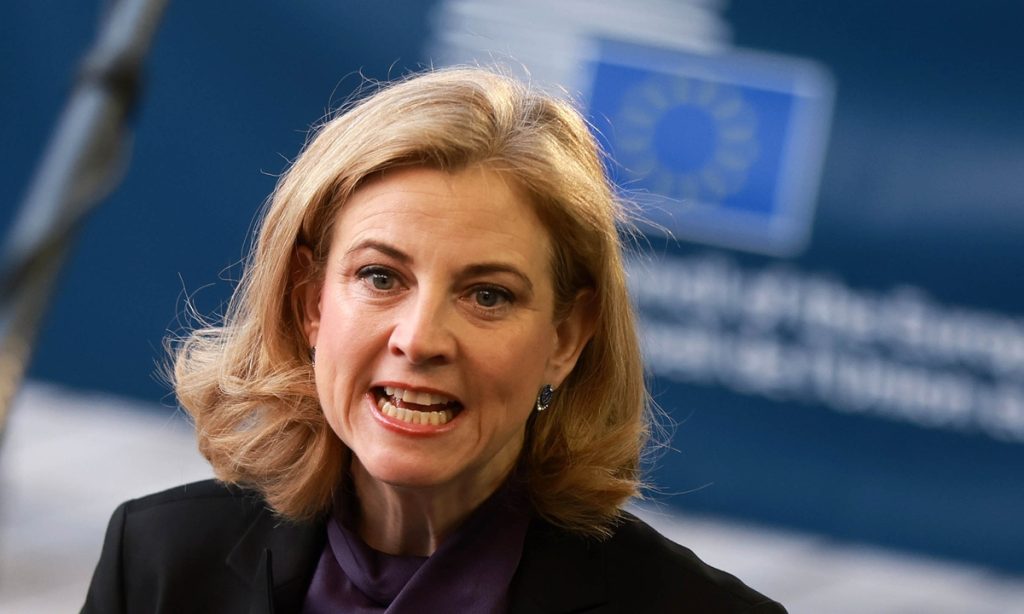
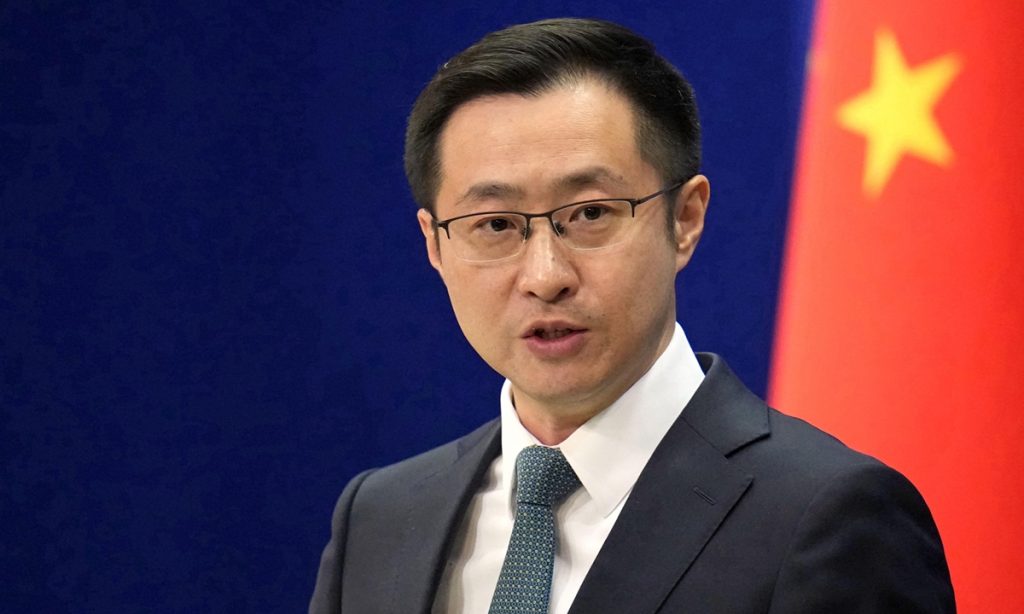
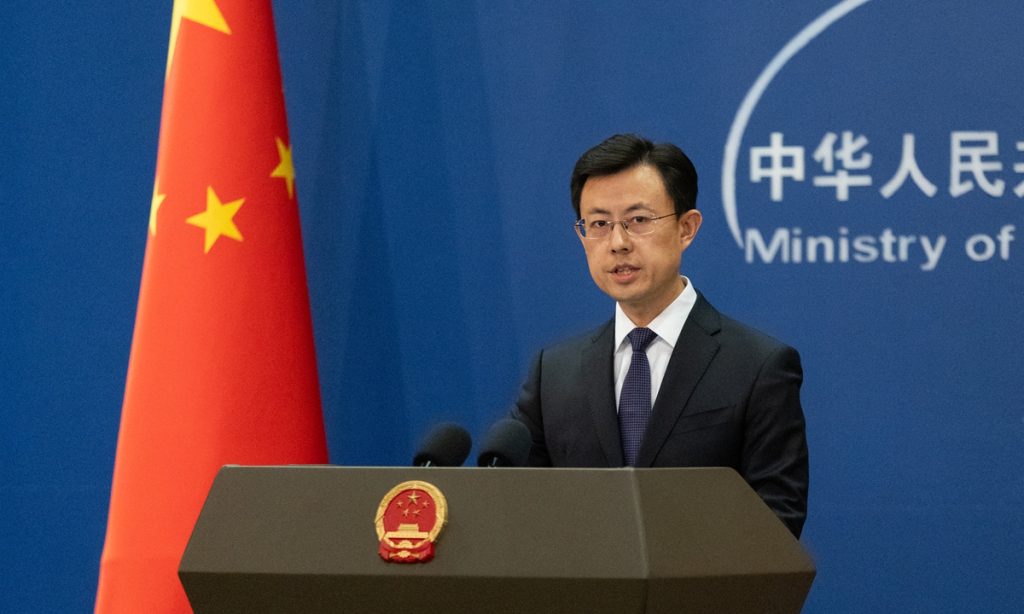
As Austrian Federal Minister for European and International Affairs Beate Meinl-Reisinger is set to kick off a five-day visit to China on Monday, Chinese Foreign Ministry spokesperson Guo Jiakun said on Monday that as the two countries mark the 55th anniversary of diplomatic relations, China stands ready to have closer exchanges, build up consensus and carry forward the friendship with Austria for greater progress in developing the friendly strategic partnership.

Austrian foreign minister's visit to China comes amid fluctuation in the EU's policy toward China, as within the EU, a differentiation has emerged among countries advocating strategic competition or pragmatic cooperation toward China, some Chinese observers said.

Austria, as a country that maintains relatively close economic and trade cooperation with China, is expected to adopt a more pragmatic approach through this visit, which may encourage more practical reflections in its China policy, they noted.

According to Austrian Broadcasting Corporation, this is the first working visit to China by a member of Austria's current government. Beate Meinl-Reisinger is scheduled to visit Shanghai on Tuesday, aiming to gain first-hand insights into the opportunities created by Austria-China cooperation, the Austrian media said.

China is among Austria's most important trading partners, Austrian Broadcasting Corporation said.

Ahead of the trip, Beate Meinl-Reisinger said Austria's goal is to strengthen European sovereignty, reduce dependencies, and at the same time maintain stable trade relations with China based on fair, reliable, and rules-based conditions, according to the Austrian media report.

The EU's policy toward China has recently shown fluctuations, with some members even resorting to tariff measures and trade protectionism, Zhao Junjie, a senior research fellow at the Institute of European Studies at the Chinese Academy of Social Sciences, told the Global Times on Monday.

"For now, clear divisions have emerged within the EU on China policy, including camps advocating trade protectionism and ideological confrontation, as well as those promoting pragmatic cooperation and free trade. The latter group, often more deeply tied to China economically, supports expanding free trade and introducing Chinese technologies and industrial models, taking a rational, practical, and win-win approach," Zhao said.

EU leaders debated on Thursday new and tougher measures that could be needed to curb the bloc's growing trade deficit with China and its ‌heavy reliance on the world's second-largest economy for rare earths and other critical supplies, Reuters reported.

However, there has been a divergence over the response to the issue, as countries like ‌France ⁠advocate for a tougher line, while Germany, the EU's biggest exporter, and Spain, increasingly home to Chinese investments, are more cautious, according to Reuters.

Austria's economic and trade relations with China have grown increasingly close in recent years. At the same time, Austria remains competitive in several sectors, including electronics, machinery, and pharmaceuticals, maintaining strengths in both traditional and modern industries, Zhao noted.

"Against this backdrop, the Austrian foreign minister's visit to China can be seen as reflecting a more pragmatic and dialogue-oriented strand within the EU - one that favors engagement, mutual benefit, and cooperation, and demonstrates a relatively rational approach to China policy," he added.

Since the establishment of diplomatic relations, bilateral trade between China and Austria has increased more than 400-fold over the past five decades, according to China's Ministry of Commerce.

By 2025, China had become Austria's third-largest trading partner. To date, more than 650 Austrian enterprises have invested and operated in China, with over 1,500 joint projects spanning high-value-added sectors such as semiconductors, fine chemicals, and automotive components, Qi Mei, the Chinese Ambassador to Austria, wrote in an article published in People's Daily in May.

At the same time, an increasing number of Chinese companies are using Austria as a gateway to expand into Central and Eastern European markets. Over 50 Chinese enterprises have established a presence in Austria, covering industries including machinery, automotive, telecommunications, and finance, Qi said.

Chinese new energy vehicles have been assembled and rolled off production lines in Styria, while China-made trains operate between Vienna and Salzburg, injecting new momentum into local development, the Chinese diplomat wrote.

China and Austria are friendly strategic partners. This year marks the 55th anniversary of diplomatic relations. Bilateral ties are in good shape with practical cooperation in various fields making steady progress, and cultural and people-to-people exchanges creating numerous highlights, Chinese foreign ministry spokesperson Guo Jiakun said.
US provides Philippines with four autonomous surveillance vehicles; equipment emboldens Manila’s maritime provocations, risks increased miscalculation: Chinese experts

The US has given four autonomous underwater and surface vehicles to the Philippines to boost maritime surveillance, according to media reports on Tuesday. The delivery comes as the Philippines is continuing its provocative acts in the South China Sea, and if the Philippines increasingly deploys unmanned systems in these waters, the risk of a miscalculation could rise, some Chinese observers warned. 

The US government has given four Ocean Aero Triton autonomous underwater and surface vehicles to the Philippine military to boost Manila's ability to monitor its ‌waters and spot "potential threats," Reuters reported, citing the US Embassy in the Philippines.

The Philippine Navy spokesperson claimed the unmanned systems are not only surface unmanned systems but also underwater unmanned systems, and this will contribute to maritime domain awareness not only of the Philippine Navy but also of the Armed Forces of the Philippines, Philippine media outlet the Inquirer reported on Tuesday. 

Both Reuters and the Inquirer highlighted the delivery of these drones comes as frictions between the Philippines and China are growing in the South China Sea. 

By giving autonomous underwater and surface vehicles to the Philippines, the US emboldens Manila to ramp up its provocative maritime capabilities through unmanned equipment, Chen Xiangmiao, a research fellow at the National Institute for South China Sea Studies, told the Global Times on Tuesday, warning that this would increase the risk of friction and even unintended escalation.

In addition to the joint drill that is considered a disruption to regional peace, the US is also stirring regional security tensions by acting through the Philippines by delivering those unmanned vehicles as on the surface, these systems are being provided to the Philippine Navy for its use. However, the key aspects of operation and control may still remain in American hands, Song Zhongping, a military affairs expert, told the Global Times on Tuesday. 

"While the equipment is deployed at Philippine military bases and operated on a day-to-day basis by Philippine personnel, data collection and remote-control functions are likely to be managed by the US through satellite communications," Song said. 

This would allow the US Navy to obtain real-time maritime environmental data gathered by the systems, potentially supporting navigation analysis, operational planning and other military purposes, Song added. 

When asked about the joint military exercise between the US and Philippines that included about 10,000 US services members and also included Japanese forces, Chinese Foreign Ministry spokesperson Guo Jiakun said at a press conference on April 20 that what the Asia-Pacific needs most is peace and tranquility, and the last thing the region needs is division and confrontation as a result of the introduction of external forces. 

No military and security cooperation should be conducted at the expense of mutual understanding and trust as well as peace and stability in the region, Guo said. 

Two Japanese nationals detained by Chinese authorities in accordance with law for violating Chinese laws: Chinese FM

According to available information, two Japanese nationals were detained by the competent Chinese authorities in accordance with the law for violating Chinese laws, Chinese Foreign Ministry spokesperson Guo Jiakun said on Wednesday in response to a media inquiry regarding that in late May, two Japanese male employees of a major Japanese electrical machinery company in Dalian, Liaoning Province, China, were detained by Chinese authorities and whether this is related to China's tightening of export controls on rare earth-related items.

Guo said that the Chinese side has informed the Japanese side of the relevant details of the case. "I would like to emphasize that Japan should educate and remind its citizens and companies in China to abide by Chinese laws and regulations," said Guo.

A reporter followed up by asking whether China could provide specific details regarding the detention of the two Japanese male employees in Dalian. Guo said that "for further information, I suggest referring your question to the competent Chinese authorities."

China, South Korea release millions of fry and juvenile in Yellow Sea to conserve fishery resources and benefit fishermen

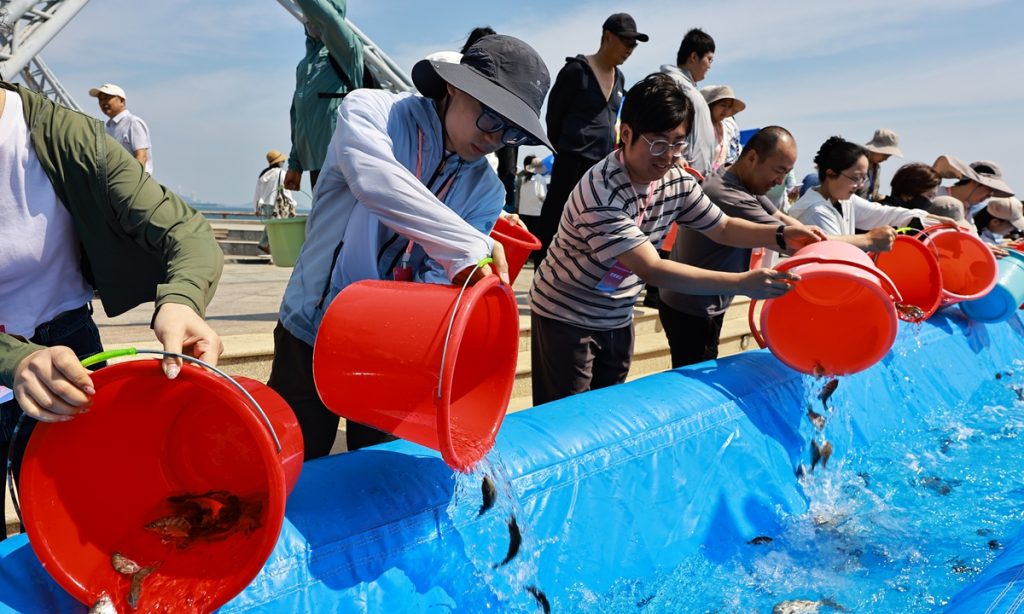
China and South Korea are working together to make the Yellow Sea's fishery "pie" bigger, turning shared conservation efforts into a growing source of ecological and economic benefits for fishing communities on both sides. A total of 330,000 greenfin horse-faced filefish juveniles were released on Tuesday morning in Yantai, East China's Shandong Province, at the city's landmark Tianma Trestles, as part of an annual joint stock enhancement and release event between China and neighboring South Korea. 

The event aims to conserve fishery resources and protect the ecological environment of the Yellow Sea — a traditional fishing ground and shared marine ecosystem that has sustained Chinese and South Korean fishing communities for generations — while promoting the recovery and sustainable use of fishery resources.

Tuesday's event marked the seventh edition of the China-South Korea Joint Stock Enhancement and Release of Fishery Resources which has become an annual routine for both countries since the 2018 launch year, except during the years affected by the COVID-19 pandemic.

The South Korean side, hosting this year's ceremony, released 4.29 million aquatic fry and juveniles with key commercial value, including small yellow croaker, red seabream and swimming crab, into the Yellow Sea from Incheon. The Chinese side held a simultaneous release in Yantai, Shandong Province, releasing 3 million aquatic juveniles with key commercial value, including greenfin horse-faced filefish, swimming crab and blackhead seabream, the Global Times learned from the event's main organizer, the Chinese Ministry of Agriculture and Rural Affairs, on Tuesday.

Cui Gang, a veteran fisherman and boat owner with more than 25 years of fishing experience, has spent over a decade operating in the jointly managed marine area in the Yellow Sea between China and South Korea.

Speaking to the Global Times ahead of the stock enhancement and release event, Cui repeatedly praised the two countries' joint stock enhancement efforts, saying that, from his own experience, the program has helped increase his annual income by about 20 to 30 percent.

Since the signing of the Fishery Agreement between two sides in 2000, the two governments have cooperated through the Joint Committee on Fisheries in multiple areas including fishing access arrangements, fishery resource survey, and fisheries law enforcement, achieving fruitful results, according to the Chinese Ministry of Agriculture and Rural Affairs.

After the release events, commercially valuable aquatic species have grown larger in size. For example, greenfin horse-faced filefish and red seabream have also become more commonly caught and larger in size, meaning better market price and profit for our fishermen, Cui explained. 

According to the Yellow Sea Fisheries Research Institute, Chinese Academy of Fishery Sciences (YSFRI), the core goal of the joint stock enhancement and release program is to promote the conservation and sustainable use of fishery resources while protecting the ecological environment of the Yellow Sea. 

Ma Zhuojun, secretary of the institute Party committee and the institute's deputy director, told the Global Times that the species selected for release are migratory species with high commercial value and shared with both nations, such as small yellow croaker, blackhead seabream, greenfin horse-faced filefish, red seabream and swimming crab, while highlighting that these releases help replenish fishery resources and benifit fishermen in both countreis.

Institute experts also explained that China and South Korea communicate through mechanisms such as the China-South Korea Joint Committee on Fisheries on the species, quantity, timing and location of fish releases, as well as follow-up assessments of their effectiveness. Experts from both sides explain fishery resource survey results, the ecological characteristics of different species and the needs of release-effect evaluations before consulting with each other to formulate plans that are relatively scientific and operationally feasible.

Such cooperation, however, also requires continuous coordination, they noted. "It is only natural that the two sides sometimes differ in terms of the priority species, size standards for released fry and juveniles and methods used to assess release effects. These differences are gradually coordinated through expert group meetings, data exchanges, technical discussions and joint surveys." 

One example is the release of swimming crabs, which has received close attention from both sides in recent years, especially in terms of how its effects should be evaluated. Exchanges on molecular marker technology for assessing the effects of swimming crab releases are aimed at using more scientific methods to determine the contribution of released stock and continuously improve release plans.

South Korea saw a notable increase in swimming crab catch in its western waters (Yellow Sea) in the autumn of 2025, while the relevant TAC (Total Allowable Catch) also remained at a relatively high level, which may indicate improved resource conditions and recovery potential, though long-term monitoring is still needed. Stock enhancement releases have played an important role in this process, according to the institute experts.

Wang Hongliang, head of the Yantai Marine and Fishery Supervision and Inspection Detachment, told the Global Times that for this year's China-South Korea joint release event, Yantai plans to release a total of 3 million aquatic juveniles, including greenfin horse-faced filefish, blackhead seabream and swimming crab.

Through the joint release event, Yantai hopes to achieve a combination of economic, ecological and social benefits, Wang noted. The event is expected to help increase marine fishery resources and bring tangible gains to fishermen in both countries, while also protecting marine biodiversity and maintaining the balance of the marine ecosystem. More broadly, it is also aimed at raising public awareness of ecological conservation and building a stronger consensus on protecting the sea.

Since 2018, China and South Korea have jointly held seven such events to date, releasing 18.75 million aquatic fry and juveniles, according to data provided by the Chinese Ministry of Agriculture and Rural Affairs. 

These efforts have made a positive contribution to conserving commercial fishery resources in the Yellow Sea, improving the marine ecological environment and increasing the income of fishermen in both countries, the ministry hailed in a release on Tuesday.

Qu Jiangbo, president of the Yantai Aquatic Biological Resources Conservation Association and legal representative of Tianyuan Aquaculture, told the Global Times that his company was responsible for maintaining and caring for the fry and juveniles released during this year's event and he has been actively participating in the joint release since its launch. 

"The fish we release can swim into South Korean side waters, while the fish released by South Korea can also come into waters on our side" Qu said. "That is why the two sides carry out joint releases at the same time to increase fishery resources and boost incomes for fishermen on both sides."

Mainland warns DPP against seeking independence through external forces after US military personnel reportedly deployed at intel bureau in Taiwan island

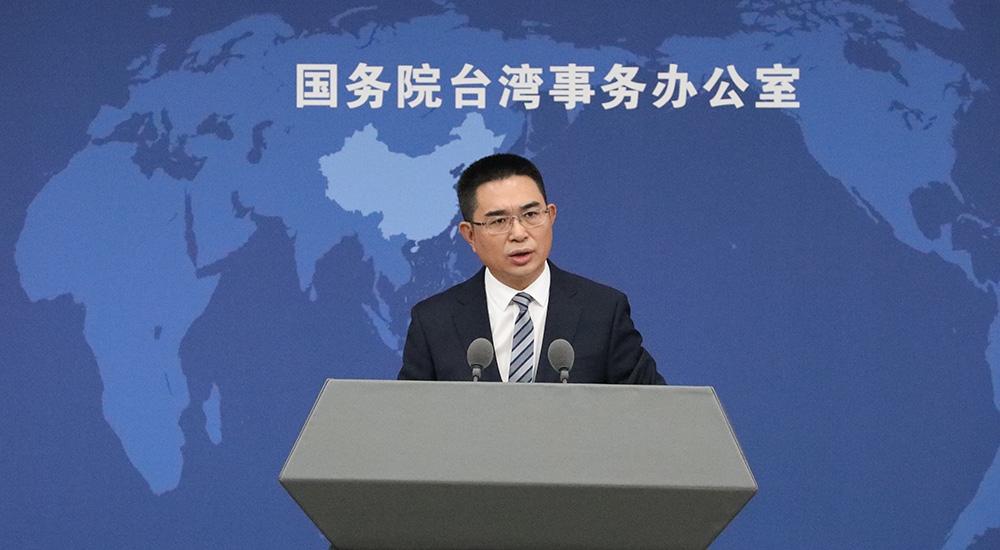
The Chinese mainland firmly opposes any form of military contact between the US and China's Taiwan region, Chen Binhua, spokesperson for the State Council Taiwan Affairs Office, said at a regular press conference on Wednesday. Chen made the remarks in response to a question about recent Taiwan regional media reports claiming that US military personnel have been stationed at Taiwan's "military intelligence bureau" for the first time, with speculation that the deployment is related to cooperation in "monitoring the mainland."

The Democratic Progressive Party (DPP) authorities are deliberately escalating confrontation across the Taiwan Straits, Chen said, warning that the further they go down the wrong path of "seeking independence by relying on external forces" and "seeking independence through military means," the more they will bring destruction upon themselves.

Taiwan media outlet claimed that some US military personnel have been stationed in the bureau since the beginning of this year, and these personnel may be members of a program codenamed "Meiyuan." 

Described as "Taiwan region's most secretive military unit," Meiyuan is responsible for intercepting electronic signals from the Chinese mainland's central region and the southeastern coastal regions, and the South China Sea, Taiwan regional media outlet CTi News claimed.

Zhang Wensheng, deputy dean and a professor at the Taiwan Research Institute at Xiamen University, told the Global Times previously that the intelligence cooperation between two sides is self-congratulatory. The US prioritizes technical intelligence while DPP authorities focus more on human intelligence, leaving neither side able to fully capitalize on the other's strengths, Zhang added.

Continuous efforts by the Chinese mainland to bolster counterintelligence and information security measures render such US-Taiwan schemes unworkable, Zhang said.

Such intelligence collaboration represents a severe breach of international law and the three China-US joint communiques, as these erroneous acts not only encroach upon China's sovereignty and territorial integrity and impair China's national interests, but also run counter to the one-China principle to which the US has committed itself, the expert said.

Chinese embassies and consulates in US, Canada and Mexico issue reminder on safe travel and civilized watching of matches for 2026 World Cup

Chinese embassies and consulates in the US, Canada and Mexico on Tuesday night reminded Chinese citizens traveling to the three countries for the 2026 FIFA World Cup to stay vigilant, watch matches in a civilized manner and guard against various risks to ensure their personal and property safety.

The tournament opens on June 11 and 104 matches will be played in Canada, Mexico and the US, with the final to be played on July 19, according to the Xinhua News Agency.

The embassies and consulates in the US advised Chinese citizens to purchase tickets through official channels, familiarize themselves with refund policies and wait until travel plans are confirmed before purchasing tickets.

They also warned against transferring money to strangers on social media for ticket purchases and urged fans to be wary of scams involving scalped tickets, purported ticket transfers, so-called insider tickets, heavily discounted offers and phishing links masquerading as the official FIFA website.

Travelers heading to the US should obtain a B1/B2 visa in advance. The US embassies and consulates in China noted that visa interview appointment wait times may be extended during the 2026 FIFA World Cup period, and advised applicants to submit their applications as early as possible.

Also, the embassies and consulates in Canada reminded travelers to make adequate pre-departure preparations. They advised Chinese citizens to consult official embassy and consulate websites in advance for information on local weather conditions, natural environment, cultural customs, public safety, laws and regulations, as well as entry and exit requirements, in order to carefully plan their trips and itineraries.

Travelers should obtain a Canadian visa before departure and ensure that the visa type, validity period and permitted length of stay are consistent with their travel purpose and plans, the embassies and consulates said.

Safety reminders also include avoiding undeveloped areas, unsafe locations, or restricted zones marked with warning signs for sightseeing, check-ins or following trends, and staying informed about reported hantavirus cases in Canada while taking appropriate health precautions.

Along with making pre-departure preparations and observing traffic safety, the Chinese embassies and consulates in Mexico noted that the summer season coincides with the country’s peak hurricane period, when storms, heavy rain, rising river levels and landslides may occur. Travelers are advised to keep track of local weather alerts and disaster updates.

They also cautioned that robberies and kidnappings still occur in some areas and urged travelers to remain vigilant.

Precautions against theft and robbery include keeping a low profile when going out and avoiding expensive jewelry, luxury accessories or conspicuous items. Travelers should dress simply and take care of their personal belongings, according to the Chinese embassies and consulates in Mexico.

Confrontation by force only exacerbates tensions, Chinese FM responds to question on US military bases across Gulf states surrounding Iran

In response to a reporter who mentioned that numerous US military bases across Gulf states have been used to launch strikes against Iran and who asked whether China believes these military bases infringe upon the sovereignty of regional countries, whether the complete withdrawal of all US military bases should serve as a prerequisite for putting China's four-point proposal into practice, and what tangible steps China will take to prevent regional countries from becoming a springboard for the US to contain Iran, Chinese Foreign Ministry spokesperson Lin Jian stated on Thursday that China expresses grave concern over the current situation. 

Confrontation by force will only exacerbate tensions, and military means cannot resolve fundamental issues, Lin said. The sovereignty, security and territorial integrity of regional countries deserve to be respected and upheld. China strongly urges relevant parties to immediately cease military operations, return to dialogue and negotiations, respond to the mediation efforts of concerned countries, and work toward a comprehensive and lasting ceasefire at an early date, the spokesperson added.

China has put forward a four-point proposal on promoting peace and stability in the Middle East, including adherence to the principle of peaceful coexistence, adherence to the principle of national sovereignty, adherence to the principle of international rule of law, and adherence to the coordination of development and security.

Lin said that since the outbreak of hostilities, China has maintained close communication with all relevant parties including Iran, and been actively working to end conflicts and promote peace. China stands ready to further advance efforts to cease fire and facilitate peace, and continue to play a positive role in restoring peace and tranquility to the Middle East and the Gulf region at an early date.

Myanmar’s president to pay state visit to China; China looks forward to renew ‘pauk-phaw’ friendship: FM

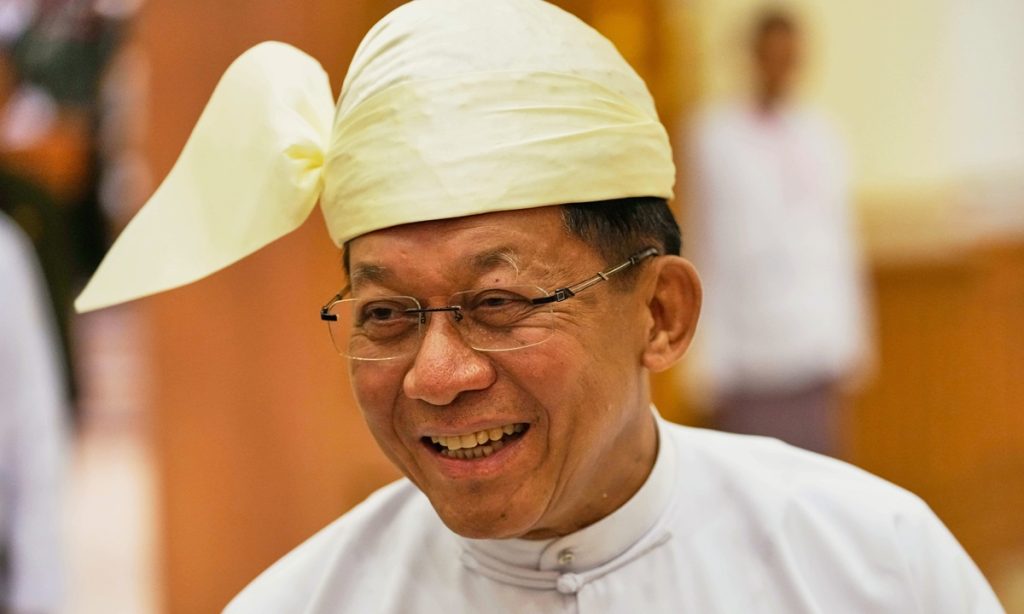
At the invitation of the Chinese leader, President of Myanmar Min Aung Hlaing will pay a state visit to China from June 15 to 19, a Chinese Foreign Ministry spokesperson announced on Friday. A Chinese analyst noted that the visit showcases China's support for Myanmar's peaceful democratic transition amid years of turmoil, and points to deeper political trust and practical cooperation between the two sides.

Chinese Foreign Ministry Spokesperson Lin Jian told a daily press briefing that China looks forward to working with Myanmar to take the upcoming visit as an opportunity to renew our "pauk-phaw" friendship, deepen comprehensive strategic cooperation and deliver more practical results in building the China-Myanmar community with a shared future to the greater benefit of both peoples.

Noting that China and Myanmar are traditional friends, neighbors and a community with a shared future, Lin said that  bilateral relations have come a long way since diplomatic ties were established 76 years ago. Our two countries have upheld the Five Principles of Peaceful Coexistence advocated by both, stood with each other through thick and thin, demonstrated solidarity and maintained coordination.

The announcement of the Myanmar leader's visit came after China's Foreign Minister Wang Yi, also member of the Political Bureau of the Communist Party of China Central Committee, hosted Myanmar Foreign Minister Tin Maung Swe in Beijing on June 5. The Chinese top diplomat said China stands ready to work with Myanmar's new government to strengthen high-level exchanges, enhance political mutual trust, and deepen strategic cooperation, in order to deliver more practical outcomes in building a China-Myanmar community with a shared future and to help Myanmar accelerate development.  

China and Myanmar have maintained frequent diplomatic interactions over the past few months. On April 3, the day Min Aung Hlaing was elected president of Myanmar, China extended its congratulations on his election, as announced by a Chinese foreign ministry spokesperson. 

In late April, Wang Yi visited Myanmar and met with President Min Aung Hlaing, and Foreign Minister Tin Maung Swe in Nay Pyi Taw.

During the meeting, Min Aung Hlaing noted that Myanmar consistently regards its ties with China as the most important bilateral relationship. He said the new Myanmar government expects to strengthen high-level exchanges with China, advance the construction of the Myanmar-China Economic Corridor, and work together to maintain border peace and stability, while continuously deepening the comprehensive strategic cooperative partnership between the two countries, according to Xinhua. 

President Min Aung Hlaing's upcoming visit to China highlights China's enduring support for Myanmar's peaceful and democratic process, sending a signal that the two sides stand ready to deepen political mutual trust and practical cooperation, Fan Hongwei, director of the Center for Southeast Asia Studies at Xiamen University, told the Global Times on Friday. He noted that since the military took over power in Myanmar in 2021, China has consistently supported Myanmar's peaceful transition and looked forward to the country achieving peace and stability at an early date.

China is willing to see Myanmar's return to steady development, which would create a sound political, security and economic environment for all-round bilateral cooperation, said Fan. 

According to the Chinese Foreign Ministry, China has long been Myanmar's principal trading partner. In 2025, bilateral trade between the two countries amounted to $19.4 billion, representing a year-on-year growth of 19.1 percent. Specifically, China's exports to Myanmar totaled $11.36 billion, up 23.3 percent, and imports were $8.04 billion, up 13.6 percent.

The two sides are expected to expand cooperation in multiple key areas and further consolidate the foundation of traditional collaboration in economy and trade, infrastructure and border security, according to Fan.  

Notably, joint efforts to curb cross-border telecom fraud and implement cooperation initiatives and flagship projects are of great importance. These include the China-Myanmar Economic Corridor, the Kyaukpyu port and a host of infrastructure projects, the expert noted.

The AFP noticed that the trip to China will be the Myanmar leader's second state visit since taking over as civilian president in April, following a trip to India. It also marks the first bilateral visit to China since Min Aung Hlaing began ruling the Southeast Asian nation directly over the past five years, the Anadolu Agency said. 

On the regional front, Myanmar's new administration has stepped up diplomatic outreach to gain international recognition and support, and closer practical cooperation with major countries is of particular importance for the country, said Fan. 

Uruguay announces visa waiver for Chinese citizens; move reflects steady momentum in China-Uruguay ties, positive prospects for China-LatAm cooperation: experts

Uruguayan Foreign Minister Mario Lubetkin announced Thursday that Uruguay will waive visa requirements for Chinese citizens holding ordinary passports, the Xinhua News Agency reported on Friday.

Greater ease of travel between China and Uruguay will contribute to better mutual understanding and more exchanges and cooperation between the two peoples, Chinese Foreign Ministry spokesperson Mao Ning said on Friday following the announcement.

Chinese experts said that the move reflects continuing steady momentum of ties between the two countries, a positive response of China's earlier visa-free policy to the countries in the broader geographical context of the Latin-American region, and a growing recognition of China passport in the region.

Positive response

At the instruction of President Yamandu Orsi, Uruguayan Foreign Minister Mario Lubetkin announced on Thursday during the farewell event for Chinese Ambassador Huang Yazhong the start of a process to allow Chinese citizens to enter Uruguay without a visa, according to a post by Cancillería Uruguay, the country's foreign ministry, on X platform.

The measure will especially benefit growing tourism from that part of the world, and comes in reciprocity to the step taken by Chinese authorities at the beginning of 2025, which will help significantly boost this sector that is highly important to the country's economic development, according to the post.

The move came after Chinese Foreign Ministry announced last year starting June 1, 2025, China's visa-free policy will benefit nationals of Brazil, Argentina, Chile, Peru and Uruguay, with the trial period lasting until May 31, 2026.

The news about Uruguay's visa-free policy for Chinese citizens quickly drew attention from local media, with outlets including Uruguayan television Subrayado, La Diaria and Montevideo Portal reporting on the Uruguayan Foreign Ministry's announcement.

According to Montevideo Portal, the measure aims to especially promote the growth of Chinese tourism and strengthen bilateral ties between the two countries.

At the bilateral level, the reciprocal visa-free arrangements are an important part of the China-Uruguay comprehensive strategic partnership. They reflect the continuing momentum of China-Uruguay ties and will help facilitate investment and trade between the two countries. More broadly, they represent a positive response to China's visa-free policy for five Latin American countries, Wang Youming, Director of the Institute of Developing Countries at the China Institute of International Studies in Beijing, told the Global Times on Friday.

According to Xinhua, the Brazilian government also announced that Brazil will implement a visa-free entry policy for Chinese citizens holding valid ordinary passports, starting May 11, 2026.

Recent high-level interactions have also underscored the steady momentum in China-Uruguay relations. On May 28, Chinese Foreign Minister Wang Yi met with Mario Lubetkin in New York. Earlier this year, in February, President Yamandú Orsi paid a state visit to China. During his visit, China called for strengthening the alignment of development strategies, and deepening cooperation in areas such as economy and trade, finance, agriculture and animal husbandry, infrastructure construction, and information and communications technology, according to an earlier report by Xinhua in February.

According to a release from the Chinese Foreign Ministry, since the establishment of diplomatic relations, the biggest features of China-Uruguay relations have been maturity, stability and predictability.

China is not only Uruguay's largest trading partner, but also a major trading partner of Latin America and the largest trading partner of many South American countries.

Wang Youming said that China's vast consumer market, especially its demand for agricultural and livestock products, matches the export needs of many Latin American countries, including Uruguay, where beef exports play an important role in driving the economy.

The visa-free move is an important step in implementing the consensus and cooperation measures reached by the two sides, especially after the Uruguayan president's visit to China earlier this year. More than boosting tourism, the policy will also benefit business exchanges, trade and investment facilitation between the two countries, Wang said.

Jiang Shixue, a professor at the Center for Latin American Studies at Shanghai University, told the Global Times on Friday that China-Uruguay trade shows a complementary pattern, as the two countries' trade structure reflects their respective comparative advantages. Uruguay mainly exports primary products and raw materials while China mainly exports manufactured goods such as mobile phones and air conditioners.

According to statistics from China's General Administration of Customs, bilateral trade between China and Uruguay reached $7.19 billion in 2025, with China's exports standing at $3.68 billion and imports at $3.51 billion.

China passport sees growing recognition

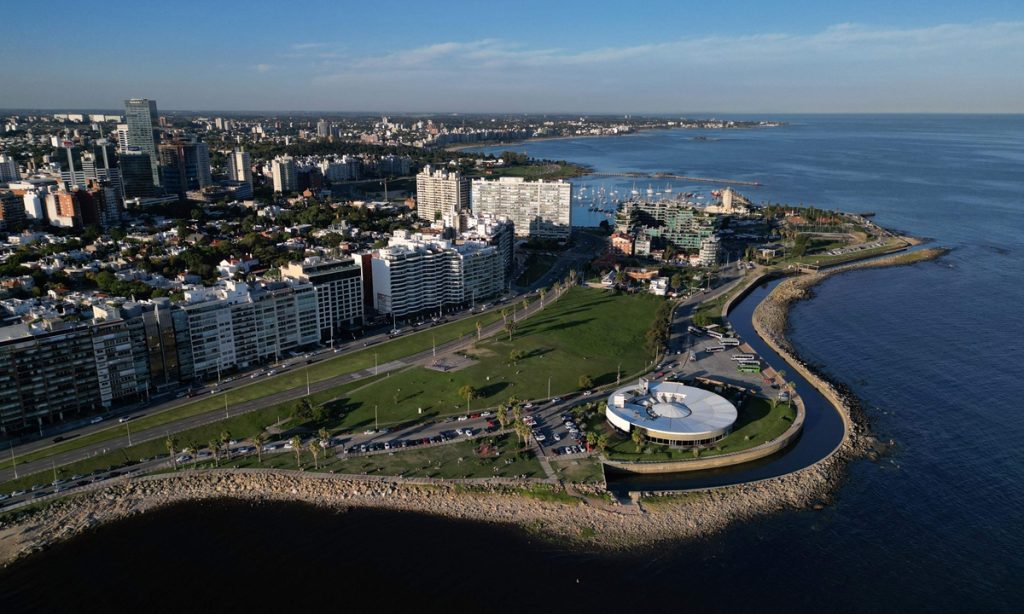
Located in southeastern South America, Uruguay sits on the eastern banks of the Uruguay River and the Río de la Plata, bordering Brazil to the north, Argentina to the west and the Atlantic Ocean to the southeast. Its vast grasslands, long coastline, unhurried pace of life and rich cultural heritage together shape the distinctive charm of this South American country, according to media reports, citing Xinhua.

Data from Chinese online travel platform Qunar showed that as of Friday morning, searches for flights from China to Uruguay had risen significantly, with searches for Montevideo, Uruguay's capital and the most popular local destination for Chinese travelers this year, surging dozens of times compared with the previous week. Qunar's research institute said that as Brazil has already implemented a visa-free policy for Chinese citizens, travelers can now combine Uruguay and Brazil in one trip and visit multiple South American countries with lower costs.

The visa-free move also reflects the growing recognition of Chinese passports among Latin American countries, as well as China's rising international standing and the continued improvement of China-Latin America relations, Jiang said.

Data from another online travel platform Tongcheng Travel also pointed to rising interest in Uruguay after the announcement. The platform said the expansion of visa-free destinations is helping stimulate demand for long-haul outbound travel, while the upcoming 2026 FIFA World Cup in North America could further boost "match-watching plus South America tour" itineraries, making visa-free South American destinations more attractive to Chinese travelers.

Official data from platforms including the China Consular Affairs website show that at present, 62 countries and regions allow visa-free entry for Chinese citizens, 37 offer visas on arrival, and 49 allow entry with e-visas. After removing overlaps, the total reaches 123 countries and regions, accounting for about 64 percent of the 193 UN member states.

As of April 2026, research by Henley & Partners showed that China's ordinary passport had a Henley Passport Index score of 82 and ranked 55th among 101 places globally, its highest level in recent years.

The visa-free move can also be viewed in a broader regional context, Wang said, noting that Uruguay is an important member of Mercosur and has long supported closer trade arrangements with China, including efforts to advance China-Uruguay free trade cooperation and broader China-Mercosur economic engagement.

12.9 million Chinese sit 2026 college entrance exam as gaokao shows a social ethos that values knowledge, fairness

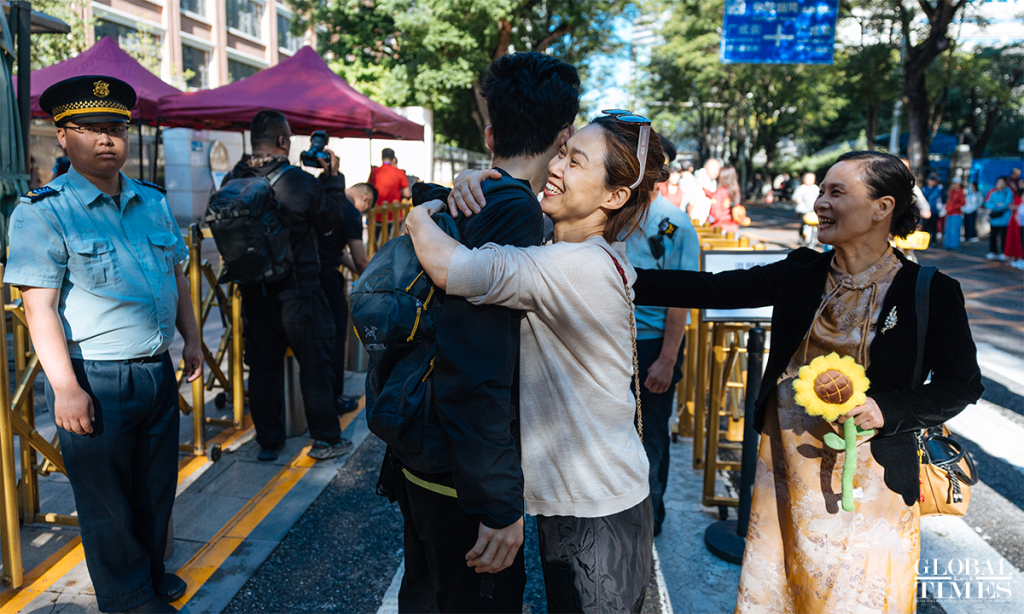
It is the time of the year once again when one examination commands the concern of the nation. As China's national college entrance exam, or gaokao, began on Sunday, scenes at test sites captured the moment: parents offering hugs and encouragement as students stepped into exam halls for one of the most pivotal tests of their lives. Some mothers wore qipao, a traditional dress symbolizing qikaidesheng, or success at the outset.

A total of 12.9 million students have registered for this year's gaokao, with 7,981 testing centers and about 348,000 examination rooms set up across the country. Chinese language and mathematics are the subjects tested on the first day of the exam, media reported.

Authorities have mobilized a wide range of resources, from traffic control and noise-reduction measures to AI-powered anti-cheating systems and emergency medical services to ensure a smooth and fair examination process. This year's essay topics, which repeatedly touched on technology and societal change, illustrate how the gaokao reflects China's evolving social values and supports the country's strategic priorities.

Since the gaokao's restoration in 1977, the college entrance examination is not only a selection process, but also an important engine of national development and social mobility. The gaokao has continuously provided China's higher education institutions with high-quality students, cultivated a large number of professionals for national strategy, economic development and technological innovation, and fostered a social ethos that values knowledge and upholds fairness, analysts said. 

Ensuring a convenient and fair environment

At Beijing No. 8 Middle School, students and parents began gathering outside the testing center hours before the first exam. Parents were seen holding signs to encourage their children, one of which read, "May success bear your name, and may our paths cross at the summit."

Police officers and community volunteers offered assistance and distributed messages of encouragement, while a temporary service station helped students resolve last-minute identification issues.

Across China, local governments have mobilized resources to support the students taking this year's gaokao. In Yuncheng, North China's Shanxi Province, testing centers are equipped with cooling facilities, backup audio systems and round-the-clock medical support. Outside exam venues, authorities have stepped up traffic management, noise control and food-safety inspections in an effort to ensure that students can focus on one of the most important exams of their lives.

During the gaokao, market supervision authorities across Guangzhou launched targeted inspections to safeguard students, covering food safety, stationery quality, special equipment and even anti-cheating measures. In several districts, officials checked canteens, nearby restaurants, catering services and student accommodations to ensure safe meals, according to a notice published by the authorities.     

In a notice issued on June 6, the Ministry of Education (MOE) reminded candidates to observe exam discipline and refrain from bringing mobile phones, smartwatches, smart glasses or other wireless communication devices into testing centers, requiring any such items to be stored at designated locations before entering examination rooms.

To curb cheating during the gaokao, testing centers across China have deployed technologies including AI-powered monitoring systems and smart security screening gates. 

In Beijing, candidates are barred from bringing smart glasses into testing venues, while in Guangzhou, Guangdong Province, security gates have been upgraded to better detect concealed wearable devices. AI monitoring systems used in many examination rooms can automatically flag unusual behavior by test takers and generate video clips for further review, according to China Central Television. 

Keeping pace with the times

China's 2026 gaokao essay questions featured five sets of papers, each with its own writing task. Education officials told the Xinhua News Agency that the essay questions were designed to reflect contemporary themes, promote critical thinking and values education, and encourage students to apply what they have learned to real-world issues.

Compared with last year, technology featured more prominently in this year's essay questions. In Beijing, one prompt asked students to draft a promotional message for a volunteer event themed "Artificial Intelligence and a Happy Retirement," to encourage the participation of seniors ahead of the Chongyang Festival.

In Shanghai, the essay topic also focused on technology, asking candidates to reflect on how it reshapes the world and transforms the way we imagine it.

One of the essay prompts in National Paper I asked students to reflect on a word whose meaning had evolved for them as they grew up, and to discuss how that change reflects their personal development and understanding of a rapidly changing world.

The recent changes to gaokao essay topics and university programs reflect broader efforts to align education with evolving social and economic needs, Zhang Yiwu, a professor in the Department of Chinese Language and Literature at Peking University and director of its cultural and arts committee, told the Global Times. 
Zhang said the prominence of argumentative writing underscores a growing focus on critical thinking, analytical skills and clear expression, while universities are increasingly channeling resources toward emerging fields such as artificial intelligence and other strategically important disciplines. The shift, Zhang said, reflects a move beyond merely adjusting existing programs toward cultivating new areas of growth.

In January, the Ministry of Education issued a notice on the gaokao, outlining plans to improve the quality and broaden the reach of higher education, with an emphasis on expanding enrollment in top-tier undergraduate programs. 

Universities are restructuring their academic offerings to prioritize foundational disciplines, emerging fields, interdisciplinary studies, and areas of high demand, in line with national priorities for scientific innovation and industrial development. At the same time, existing programs are being updated and refined, supporting China's pursuit of advanced scientific and technological self-reliance, reads the notice.

Moreover, this year, multiple Chinese universities have rolled out new undergraduate programs such as embodied intelligence, low-altitude economy and management, as well as marine intelligence and unmanned technologies, aiming to meet the country's emerging strategic and industrial needs, according to an updated catalog recently issued by the MOE.

The college entrance examination has long remained a focal point of concern for Chinese society, not only because it shapes the personal development of candidates and their families, but also because it reflects the nation's enduring emphasis on education and knowledge. The exam carries the public's expectations for fairness and social mobility, Zhang noted, adding that trends in the gaokao provide a window for observing broader societal changes and evolving values.